UK car regulations are the rules that govern how vehicles are registered, taxed, tested, insured, identified and driven in Great Britain and Northern Ireland, and they are updated from time to time by government and its agencies. A UK car regulations update can touch number plates, the MOT, vehicle excise duty (VED), emissions zones or driver licensing. The official record of any change is GOV.UK, so check there before acting.
Part of Car Tax Checks. Start with the main guide: Is My Car Taxed? Check Tax Status Free
Updated October 2026 · Independent information, not legal advice
Rules rarely change overnight, and an announcement is not the same as a rule in force. The sections that follow explain the kinds of change drivers meet, which agency owns each, how to tell a firm change from a rumour, and how to check your own vehicle against the current position.
What Counts As A UK Car Regulations Update?
A UK car regulations update is any change to the law, official guidance or service rules that affects how you register, tax, test, insure or drive a vehicle. Some are laws passed by Parliament, others are changes to guidance or online services.
Law versus guidance
A law or regulation is binding. Guidance explains how to follow it and can change more quickly. Both appear on GOV.UK.
Primary legislation sets the principle, secondary regulations fill in the detail, and agency guidance explains how services work in practice. For drivers, the practical effect is the same: follow the current official instruction.
- Acts of Parliament set broad powers
- Regulations set specific rules and dates
- Guidance explains the process
- Online services reflect the rules at the time
Why updates matter
A change can alter what you must do, by when, and what you may be fined for. Missing one can be costly.
Fines, penalties and refused services can follow from out-of-date assumptions. A driver who believes an old exemption still applies, or that a vehicle is still compliant with a zone, can end up with a charge or a refused tax renewal.
Who Makes And Enforces The Rules?
Several bodies share the work, and knowing who owns what helps you find the right source.
- The DVLA handles vehicle registration, vehicle excise duty and GB driving licences.
- The DVSA runs the MOT scheme in Great Britain.
- The DVA runs vehicle testing and driver licensing in Northern Ireland.
- HMRC deals with company car tax and other tax on earnings.
- Local authorities and Transport for London set emissions zone charges.
Where the Department fits
Government departments set policy and bring in regulations; agencies deliver the services. The Driver and Vehicle Licensing Agency explained describes what the DVLA does.
The Department for Transport is usually responsible for road vehicle policy, while the Treasury sets tax policy. Agencies then apply the rules to individual vehicles and keepers.
How Regulation Changes Are Usually Announced
Changes tend to follow a pattern, which helps you judge how settled they are.
- A proposal or consultation is published.
- The government announces a decision, sometimes in a Budget.
- Legislation or regulations are made.
- A start date is set, often months later.
- GOV.UK guidance and online services are updated.
Announced is not in force
A policy announced today may start in a later tax year. Until the start date arrives, the old rule still applies.
Look for words such as "will apply from" and a specific start date in the official wording. If a statement is vague, assume nothing has changed yet.
Where rumours start
Social media and headlines sometimes treat a consultation as a decision. Look for the official page before changing anything.
Typical sources include consultations that never become policy, comments from unnamed sources, and old stories that circulate again. A quick look at the official page usually settles the question.
Number Plate Rules
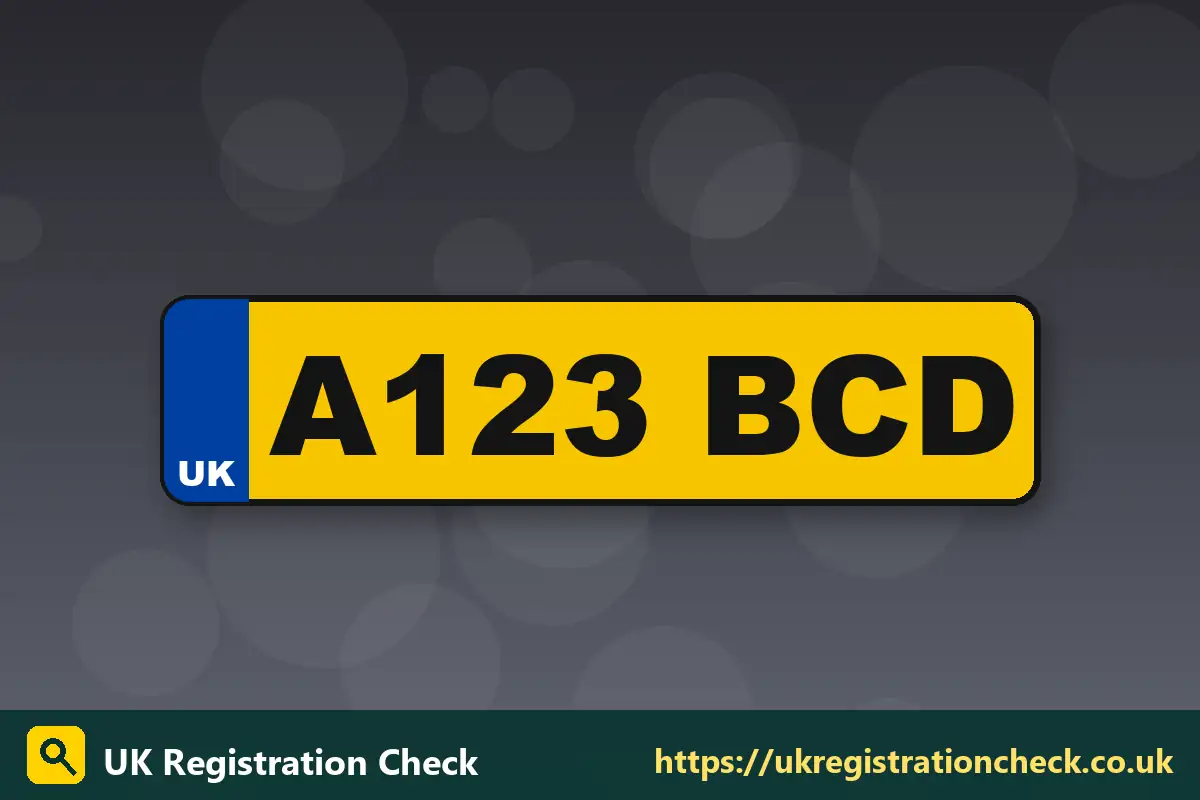
Number plate regulations cover format, typeface, colours, materials and who may make plates. The current-style format has two letters, two digits and three letters, and plates must follow the British Standard.
What rarely changes
The basics, such as a white front plate and yellow rear plate, are long established. See legal number plates in the UK.
- A white front plate and a yellow rear plate
- Black characters in the legal typeface
- Plates made by a registered supplier
- A ban on altering characters
Where details can change
Standards, supplier rules and the treatment of symbols such as flags and green flashes can be updated. Check GOV.UK for the current wording.
Updates to standards can affect materials, markings and the information printed on a plate. If you are buying new plates, the supplier should know the current standard, but you can also check GOV.UK.
Twice-yearly plate changes
The age identifier changes every March and September. Read when the 75 plate comes out or the 25 number plate change for how that works.
Number Plate Display And Equipment Rules
Rules on plate size, spacing and character style are specific. Altering characters, flipping plates or obscuring a plate to avoid cameras is illegal.
Typeface and spacing
The legal font and spacing are covered in the car registration plate font and number plate spacing rules.
A plate with cramped or stylised characters can fail the rules even when the letters are correct. Reading the numbers clearly is the point of the standard, so cameras and people can both identify the vehicle.
Why enforcement matters
Fake or cloned plates can lead to prosecution. Always buy from a registered supplier.
MOT Regulation Changes
MOT rules cover which vehicles must be tested, how often, what is checked and how defects are graded. The Driver and Vehicle Standards Agency (DVSA) publishes the manual and updates it.
Test content can change
The items tested, and the way defects are categorised as dangerous, major or minor, can be revised. See the MOT checklist.
Testers follow an inspection manual, and the items checked, such as lights, brakes, tyres, emissions and structure, are periodically updated. A vehicle that passed under one set of items may meet a different standard at the next test.
- Check the latest list of items before the test
- Fix known defects first
- Read last year's advisories
- Keep the certificate
Exemptions
The rules for older vehicles are tied to a rolling date. Read about tax for classic cars for the idea.
Exemptions are one of the most misunderstood areas. A vehicle can be exempt from the test and still must be kept roadworthy, and some changes to a vehicle can end the exemption.
Fee caps
Maximum fees are set in regulation, while garages set their own prices. Ask in advance.
Because the cap is a ceiling rather than a price, shop around, and remember that a retest may be treated differently from a full test. The rules on retests are on GOV.UK.
Vehicle Tax Changes
Vehicle excise duty changes tend to be announced in a Budget or fiscal statement and then take effect from a later date. Rates differ by registration date, CO2 emissions and fuel type.
What often moves
- Annual rate adjustments
- Treatment of electric vehicles
- The expensive car supplement
- Treatment of different fuel types
- Reporting and payment methods
What stays the same
The principle that tax is paid by the keeper, and does not transfer with the vehicle, has been stable. See vehicle excise duty explained.
Budget Announcements And Car Tax
Budget statements can include motoring measures. They are usually phased in, so the start date matters more than the headline.
Reading a Budget summary safely
Read the official summary on GOV.UK and the stated effective date. See Budget car tax changes for a calm explanation.
Look for the effective date, the vehicles affected and whether existing keepers are included. Sometimes a measure applies only to vehicles registered after a certain date, which leaves older vehicles on the old rules.
Avoid acting on rumours
Do not cancel a direct debit or change a vehicle because of a headline. Confirm first.
Direct debit changes should be made through the official service. If you cancel too early you could end up with an untaxed vehicle, and the DVLA may then take action.
Over 70 Car Tax: Is There A Rule For Older Drivers?
Over 70 car tax is a common search, and the careful answer is that vehicle excise duty is generally based on the vehicle, not the age of the keeper. Drivers' licence renewals do change with age, but that is a licence matter, not a vehicle tax matter. Check GOV.UK for the current position.
What does change with age
Licence renewal after 70 follows a different cycle. See driving licence expiry for the general idea.
Other exemptions
A disabled keeper exemption is based on eligibility, not on age. See bought a car with a disabled tax exemption.
Exemptions based on disability, vehicle type or use are written into the rules and do not follow age. If you or a relative may qualify, the GOV.UK guidance explains who is eligible and how to apply.
UK Over 70 Car Tax Changes: What To Believe
UK over 70 car tax changes are sometimes rumoured in the press. Treat them as unconfirmed until the government publishes an official decision. The older drivers and car tax changes explanation sets out how to weigh such claims.
Check three things
- Is there an official GOV.UK statement?
- Does it give a start date?
- Does it apply to you?
HMRC And Car Tax Warnings
Occasionally notices circulate about vehicle or company car tax. HMRC deals with benefit in kind, while the DVLA deals with VED. Do not confuse them. See the HMRC car tax changes warning.
Scam awareness
Messages asking for payment details by text or email can be scams. Official vehicle tax services are on GOV.UK.
Be wary of unexpected messages claiming that a vehicle tax payment has failed, a refund is due or a fine is owed. Do not click a link in a message; go to GOV.UK directly. The DVLA does not normally ask for bank details by text.
Company Car And Benefit In Kind Changes
Benefit in kind rules for company cars depend on list price, CO2 and fuel type. Rates are set by government for each tax year, and employers report the benefit. The company car tax calculator explains the inputs.
Why employers revisit policies
Changes can alter the cost of a company car, so employers sometimes update car policies.
Employees may find that a company car, a cash alternative or an electric option becomes more or less attractive from one tax year to the next. The details are for HMRC and the employer, so use official calculators.
Emissions Zones: ULEZ, Clean Air Zones And The Congestion Charge
Local authorities and Transport for London set the zones, charge levels, boundaries and operating hours. These change by area and by time.
How to check a vehicle
Official checkers on GOV.UK and the Transport for London website use the registration. Read the Congestion Charge zone map for the idea.
Check by registration before you drive into a zone, especially if you have a hire vehicle, a newly bought car or an import.
Cameras and the registration
Automatic number plate recognition applies charges, so the registration on the record matters. The free number plate check shows CO2 and Euro status where recorded.
If a plate is damaged or mis-read, a charge can be sent in error. Keep plates clean and legible, and challenge any charge you believe is wrong through the proper appeal process.
Emissions Standards And The CO2 Record
CO2 emissions figures drive tax bands for many cars, and Euro standards drive zone compliance. A vehicle record can hold either, depending on age and type.
Looking up CO2
The CO2 emissions checker explains where the figure appears.
The recorded figure can differ between a vehicle's registration paperwork and what was assigned at first registration, so the DVLA record is the one used for tax.
Why it matters in regulation
A change to how emissions are measured or banded can alter tax or charges. Check GOV.UK.
Tax bands, first year rate and standard rate all draw on CO2 for many cars, which is why the way it is measured matters. An older vehicle might not have a recorded figure.
Electric Vehicles And Changing Rules
Rules for the electric vehicle sector move more often than most: tax treatment, plate features, charging and company car tax have all been revisited over time. Do not rely on old advice.
Green flash plates
A green flash is permitted on plates for zero-emission vehicles. Check GOV.UK for the current rule.
Using a green flash on a vehicle that does not qualify is not allowed. Check eligibility before ordering plates.
Tax treatment
Zero car tax cars have been treated differently in the past, and policy can change. See zero car tax cars.
Policy on zero-emission vehicles has shifted over the years, so older articles may be out of date. Always check the current rule.
Insurance And Enforcement Rules
Insurance is compulsory for any vehicle used or kept on a public road. The DVLA and the Motor Insurance Database run Continuous Insurance Enforcement, and checks are automated.
Checking your own cover
The is my car insured steps point to the official askMID service.
If your vehicle is insured but does not show on the database, contact your insurer to correct it. A mismatch can trigger enforcement letters.
Insurance premium tax
The tax added to insurance is a separate matter. Read insurance premium tax in the UK.
SORN Rules
A Statutory Off Road Notification (SORN) declares that a vehicle is not on a public road. The rules on how to make one and how long it lasts have been simplified over time. See how to SORN your car.
Check status
Use check if a vehicle is SORN to see a record.
A SORN is cancelled when you tax the vehicle again, so a vehicle that shows as SORN should not be driven on a public road.
Registration And V5C Rules
The V5C records the registered keeper, not the legal owner. The DVLA sets how keepers notify changes and how records are updated. See vehicle registration document information.
Changing details
Address and name changes must be made with the DVLA. See change address for car tax.
Keep the V5C up to date. If you receive a new vehicle record, check every line for errors and report any as soon as possible.
Driving Licence Rule Updates
Licence rules cover when you can start learning, renewals, and photocard replacement. Services can change in format even when the rule stays the same. Read about the provisional driving licence.
Always use the official service
Third-party services may charge for something the DVLA offers directly.
Look for the GOV.UK address and be wary of sites that charge a fee for a service that is free or low-cost directly. Third-party sites can look official.
Rules For Commercial Vehicles And Vans
Commercial vehicles have their own tax classes, tests and rules. These are reviewed separately from cars. See commercial vehicle tax.
Motor caravans and trailers
Motor caravans and trailers have separate arrangements. Check motor caravan road tax.
Trailers have their own display rules for plates, and motor caravans fit different tax classes, so do not assume car rules apply.
Rules For Classic And Historic Vehicles
Historic exemptions use a rolling date, so eligibility shifts without a new law each year. They are separate for tax and MOT. Read tax for classic cars for the detail.
Rolling dates
Because the eligibility line moves each year, last year's advice may no longer match. Look for the current cut-off date and the process on GOV.UK.
MOT and tax are separate
A vehicle can meet one and not the other, so check each rule on its own.
Great Britain Versus Northern Ireland
Registration and vehicle tax run through the DVLA throughout the UK, while vehicle testing and licensing in Northern Ireland sit with the DVA. A change in one nation does not automatically apply in the other.
Where to look
See MOT in Northern Ireland and the Driver and Vehicle Agency.
Both nations use GOV.UK for vehicle tax, while testing in Northern Ireland has its own service pages. A change to either side is announced separately.
How To Track Regulation Changes On GOV.UK
You can follow changes without relying on social media.
- Open the GOV.UK page for the service you use.
- Look for the "updated" date and the change history.
- Check news and announcements for the agency.
- Subscribe to email alerts where offered.
- Confirm start dates before acting.
Official channels
Agency blogs and the DVLA, DVSA and DVA pages are the best sources. Press coverage can be a prompt to look, not proof.
- GOV.UK service pages for tax, SORN and licences
- DVSA news for MOT updates
- DVA pages for Northern Ireland
- Local authority sites for emissions zones
How To Tell If A Change Applies To Your Vehicle
Many changes only affect some vehicles. Registration date, fuel type and vehicle class matter.
- Look up your registration with the free lookup.
- Note the fuel type, CO2 and registration year.
- Read the official change and its eligibility.
- Compare dates, not headlines.
An example workflow
Check the vehicle, check the rule, confirm with GOV.UK, then act.
Suppose a headline claims a tax change for older cars. Find the official statement, note the registration dates affected, compare your car's registration year from the lookup, then decide whether to act.
A Short Comparison Of Change Types
| Area | Usually set by | Where to confirm | How fast it changes |
|---|---|---|---|
| Vehicle tax | Government and DVLA | GOV.UK VED pages | Often annually |
| MOT | DVSA and DVA | GOV.UK MOT pages | Occasionally |
| Number plates | DVLA and standards | GOV.UK plate pages | Rarely |
| Emissions zones | Local authorities and TfL | Local authority sites | By area |
| Company cars | HMRC | GOV.UK and HMRC | Annually |
How to read it
Use the table as a map only. The official source is the final word.
Common Mistakes With Regulation News
- Treating an announcement as a rule in force
- Missing the start date
- Trusting unofficial summaries
- Assuming changes apply to every vehicle
- Paying a third party for a free service
- Forgetting Northern Ireland differences
Myth: everything changes in April
Only some things change at the start of a tax year. Many take effect at other times.
Another myth is that rules apply the moment they are mentioned. In practice, a start date is almost always set.
Documents Worth Keeping
A tidy record makes regulation changes easier to handle.
- V5C and new keeper slip
- MOT certificates and test history
- Insurance documents
- Tax confirmation
- Any retention document, such as the V778
Check before selling or buying
See the transfer a vehicle steps for paperwork.
A buyer should ask for the documents, and a seller should hand them over. Mismatched documents are a prompt to slow down.
What To Do If A Record Looks Wrong
If tax, MOT or vehicle details look wrong, act quickly. Contact the relevant agency through GOV.UK, and keep evidence of what you did. See DVLA chat and contact.
MOT history errors
Contact the DVSA or the test centre about a test record that looks wrong.
Keep your own copy of the certificate so you can show what was issued. The DVSA can help correct records where there has been an error.
Checking The Vehicle Itself
Regulations apply to a specific vehicle, so check its record. Enter the registration into the free number plate check to see tax, MOT and basic details, and read what a number plate check shows.
Limits
It does not show insurance, finance or owner details.
Insurance, outstanding finance, write-off data and keeper details come from other sources. See free versus paid vehicle checks for the difference.
Quick Checklist
- Identify the agency that owns the rule.
- Find the official GOV.UK source.
- Check the start date.
- Check eligibility for your vehicle.
- Act before the deadline.
- Keep a record.
Frequently Asked Questions
What is a UK car regulations update?
It is any change to the law, official guidance or service rules affecting how vehicles are registered, taxed, tested, insured or driven. Some are new regulations, others are updates to guidance or online services. The authoritative record is GOV.UK and the agency responsible, such as the DVLA, DVSA or DVA, so check there before acting on a headline.
Where can I find official car regulation changes?
GOV.UK is the main source, along with the pages of the DVLA, DVSA and, in Northern Ireland, the DVA. Look for the updated date and the effective date of any change. Email alerts and agency news pages help you keep up. Press coverage can prompt you to look but should not replace the official wording.
Is there over 70 car tax?
Vehicle excise duty is generally based on the vehicle rather than the keeper's age, so there is no age-based car tax in the usual sense. Driving licence renewals do follow a different cycle after 70, but that is a licence matter. Confirm the current position on GOV.UK.
Are UK over 70 car tax changes confirmed?
Treat claims about UK over 70 car tax changes as unconfirmed unless the government has published an official decision with a start date. Rumours often come from consultations or comments. Check GOV.UK and read the eligibility details before changing anything about your vehicle.
Do new tax rules apply immediately after an announcement?
Not usually. Changes announced in a Budget are normally phased in and take effect from a stated date, sometimes in a later tax year. Until that date, the existing rule still applies. Read the official summary on GOV.UK for the effective date before changing your plans.
Do MOT rules change often?
The core principle has been stable, but details such as the content of the test, defect grading and exemptions can be updated. The DVSA publishes the manual, and the exemption for older vehicles uses a rolling date. Always check GOV.UK for the current MOT rules before relying on older advice.
Can number plate rules change?
The basics, such as format, colours and the British Standard, are long established, but supplier rules, standards and allowed extras can be revised. Check GOV.UK for current wording and buy only from a registered number plate supplier. Altered, cloned or obscured plates are illegal and can lead to prosecution.
How do emissions zones fit in?
Emissions zones are set by local authorities and Transport for London, so their boundaries, charges and hours differ and can change. Compliance depends on the vehicle's emissions standard, which is tied to its registration. Use the official checker on GOV.UK or the relevant authority to confirm a vehicle.
Does a regulation change apply in Northern Ireland?
Not automatically. The DVLA handles registration and vehicle tax across the UK, but vehicle testing and driver licensing in Northern Ireland are run by the DVA. A change announced for Great Britain may differ or start at a different time, so check the Northern Ireland guidance.
How can I tell if a change affects my car?
Check your vehicle's registration year, fuel type, CO2 emissions and class against the eligibility in the official announcement. You can look these details up with the free number plate check. If the rule names a registration period or a list price, compare it with your car's record and confirm on GOV.UK.
Should I trust news about car tax rises?
Treat news as a prompt to check, not as proof. Look for an official GOV.UK statement, a start date and details of who is affected. Avoid cancelling payments or changing vehicles based on a headline. If a message asks for card details, treat it as a possible scam.
Where do I check my own vehicle's tax and MOT?
Enter the registration into the free number plate check for tax status, MOT status and expiry, and test history. The official GOV.UK vehicle enquiry service shows similar details. Neither shows insurance, finance or owner details.
Official Sources
Rules, fees and deadlines change. Confirm anything that affects your money or legal position with the official service.