Zero car tax cars are vehicles that pay nothing for vehicle excise duty (VED), the tax usually called road tax, because of how they are rated or because they are exempt. Which vehicles qualify depends on the registration date, the recorded CO2 emissions, the vehicle type and government policy at the time, so no short list can be trusted for every car. The reliable answer for a specific vehicle comes from its Driver and Vehicle Licensing Agency (DVLA) record.
Part of Car Tax Checks. Start with the main guide: Is My Car Taxed? Check Tax Status Free
Updated October 2026 · Independent information, not legal advice
People use many phrases for the same idea: tax free cars, no car tax cars, road tax free cars and free car tax cars. Underneath they mean one of three things: a vehicle in a zero rate, a vehicle in an exempt class, or a keeper who qualifies for an exemption. Each is explained here, along with how to check a car with the free lookup and GOV.UK, and where policy, especially for electric vehicles, can change.
What Are Zero Car Tax Cars?
Zero car tax cars are cars that currently pay no VED, either because their rate is zero or because an exemption applies. Treat "zero" as a status recorded against the vehicle, not a property of the model.
Zero rate versus exempt
A zero rate means the vehicle is taxed at nothing but is still on the tax record. An exemption means a recognised reason removes the charge. Both can show "taxed" or "exempt" on a lookup, so read the status carefully.
Why Model Lists Mislead
Two cars of the same model can sit in different categories if they were registered at different times. That is why an online list of tax free cars is only a starting point.
Searchers often arrive with a particular car in mind, such as a small hatchback or a new electric model, and ask whether it is free. The honest answer is that a model name never settles it. The DVLA applies the rule that fits the individual registration, so one example of a model may pay while another does not.
- Registration date decides which system applies
- Fuel type and recorded emissions decide the band
- The keeper's circumstances decide whether an exemption applies
- Policy at the time decides whether a zero rate still exists
Are There Really Tax Free Cars?
Yes, in some categories, but "tax free" rarely means no paperwork. Even an exempt vehicle normally has to be recorded with the DVLA and may still need an MOT and insurance.
What tax free does not mean
- No MOT where one is due
- No insurance
- No V5C or registration record
- No need to update your details
What it can mean
- No VED payment for the period
- A different tax class on the record
- A requirement to confirm eligibility on renewal
Which Cars Are Exempt From Road Tax?
If you ask which cars are exempt from road tax, the usual answers are vehicles with a qualifying exemption, such as some historic vehicles, vehicles used by disabled people under specific rules, and certain special-purpose vehicles. The rules and dates change, so confirm on GOV.UK.
| Route | Who it usually relates to | What to check |
|---|---|---|
| Zero rate | Some low-emission vehicles | Registration date and current policy |
| Disabled keeper exemption | Eligible disabled keepers | Benefit eligibility on GOV.UK |
| Historic vehicle | Older vehicles | Rolling date and no substantial changes |
| Special vehicles | Certain agricultural or specialist types | Class and use |
| SORN | Any vehicle off the road | Not an exemption: tax is not due while off the road |
The rolling date for historic vehicles
Historic status depends on a date that moves, so a vehicle that qualifies one year may not the next. Check GOV.UK. See tax for classic cars.
Special-Purpose Vehicles
Some vehicles used for particular purposes are in separate classes. If you are unsure, check commercial vehicle tax.
Questions worth asking about any exemption
- Who does it apply to, the vehicle or the keeper?
- Does it need to be renewed or confirmed?
- Does it end when the vehicle is sold?
- Is there a limit of one vehicle?
What Is A Vehicle Tax Exemption?
A vehicle tax exemption is a legal reason a vehicle does not pay VED, such as a qualifying disability, a historic class or a specialist use. It is usually recorded on the DVLA's system.
Exemption versus relief
Some situations reduce the tax; others remove it. Language on GOV.UK distinguishes them, so read the exact wording.
Keeping the exemption valid
Many exemptions depend on continuing conditions. If your situation changes, tell the DVLA.
What Is A Road Tax Exemption?
A road tax exemption is the everyday phrase for the same thing. It means the vehicle is not required to pay VED, but it is still recorded and may still need to be declared each time ownership changes.
Do exemptions transfer?
Generally no. Tax itself is not transferable, and an exemption tied to a person usually ends when the vehicle changes keeper. See bought a car with a disabled tax exemption.
Does an exempt car still show a tax status?
Yes. The lookup typically shows exempt or taxed with a zero rate, along with other details.
Free road tax is sometimes mistaken for a refund. A refund is money returned for unused months, while free road tax means no VED is due for a period. See car tax refund for the difference.
What Is Free Road Tax?
Free road tax is shorthand for any situation where no VED is payable. It might be a zero-rated vehicle, an exempt vehicle or a disabled keeper. It is not a coupon or a service you can buy.
Beware of offers
A site promising free vehicle tax for a fee is misleading. Genuine exemptions are set by law and applied through the DVLA and GOV.UK.
How to see if you qualify
Read the eligibility guidance on GOV.UK and apply through the official route, which is free.
What About Free Vehicle Tax For Older Cars?
Free vehicle tax for older vehicles usually relates to historic status. The qualifying date moves, and a vehicle must normally not have been substantially changed. The MOT exemption for historic vehicles is separate from tax.
What to check
- The date of first registration
- Any substantial changes
- Whether the exemption has been applied
What can go wrong
An owner may assume a car is exempt when it is not, leaving it untaxed. See the fine for driving without tax.
Evidence that is commonly needed
- Proof of the qualifying benefit
- Details of the vehicle to be nominated
- The V5C or the vehicle reference
- Confirmation of who will use the vehicle
How Does Disabled Car Tax Work?
Disabled car tax refers to a VED exemption available to some disabled keepers, usually linked to certain disability benefits and to a single vehicle nominated for the exemption. The detailed rules are on GOV.UK.
Who it can apply to
Eligibility depends on the benefit type and level, and on who uses the vehicle. Do not rely on rumours; read the current criteria.
One vehicle at a time
The exemption is normally for one vehicle. A second vehicle may need ordinary tax.
Does A Blue Badge Give A Car Tax Exemption?
A Blue Badge on its own does not normally give a vehicle tax exemption. People often search for blue badge car tax exemption, but the badge relates to parking, while vehicle tax exemption is tied to specific benefits and to the DVLA.
Blue Badge Car Tax In Practice
The terms blue badge car tax and road tax blue badge are searched together, but two separate systems apply. A badge is issued by the local authority. The exemption is applied by the DVLA.
What to do
Check the criteria on GOV.UK. If you qualify, follow the official application route.
How Do I Apply For Car Tax For Disabled People?
Car tax for disabled people is normally applied for through the DVLA, often by sending evidence of the qualifying benefit. Apply only through the official GOV.UK route.
- Check that you meet the criteria on GOV.UK.
- Gather the evidence of the qualifying benefit.
- Confirm which vehicle is to be nominated.
- Apply through the official process.
- Keep the confirmation.
Disabled car tax online
Disabled car tax online is possible in some cases, but the route depends on circumstances. Disabled car tax online free is accurate because the official process has no charge, but beware of look-alike sites.
Taxing a disabled vehicle
Taxing a disabled vehicle means applying the exemption when you tax it, not ignoring tax altogether. A vehicle without the exemption applied is untaxed.
What If I Buy A Car That Had A Disabled Exemption?
If you buy a vehicle that had a disabled exemption, the exemption does not usually pass to you. You must tax the vehicle before driving it, unless you qualify yourself. See bought a car with a disabled tax exemption.
Check Before Buying
Run the registration through the free number plate check to see the tax status. An exempt status for a previous keeper may not continue.
After you buy
Tax it, or declare SORN, before it goes on the road. Taxing needs insurance on record in most cases.
Hedging on policy
Policy for an electric vehicle is not fixed. Government can change the position in a Budget, and changes may apply from a later date. Plan around the rule that applies when you tax, not a rule you remember or read in an old article. If a seller says a car is "free to tax", ask them to show the DVLA status and confirm the policy yourself.
- Do not rely on adverts for the tax position
- Do not rely on forum posts
- Do rely on the record and on GOV.UK
What About Electric Vehicles And Zero Car Tax?
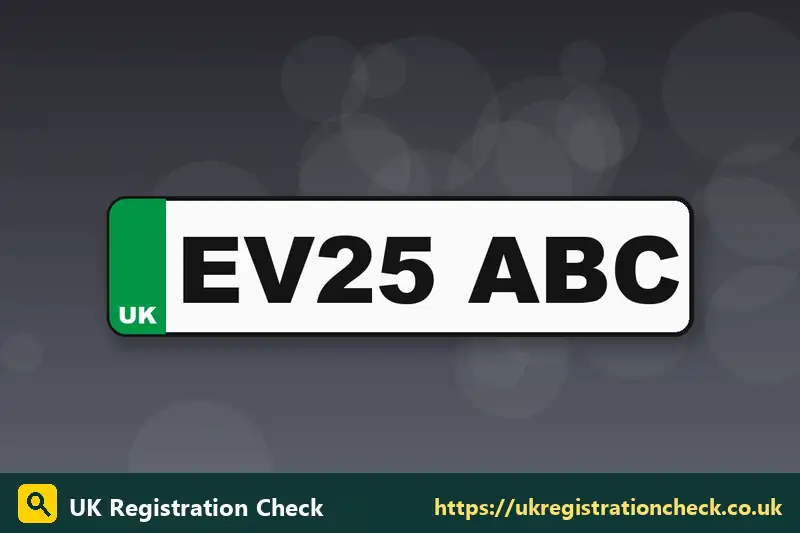
An electric vehicle has historically been zero-rated for VED, but policy has changed over time and may change again, so any statement that all electric cars are tax free should be treated with caution. Check the current position for your vehicle.
How to check an electric car
- Use the free registration lookup for the tax status and due date
- Check the registration date
- Check the fuel type recorded
- Confirm the policy on GOV.UK
Why it matters when buying used
Rules can differ between vehicles registered before and after policy changes. Do not assume the previous keeper's status.
Are Hybrid And Low-Emission Cars Zero Rated?
Rates for hybrids and low-emission vehicles depend on registration date and CO2 emissions, and policy changes. Some pay a reduced or standard amount rather than zero. Confirm with the DVLA record.
CO2 emissions
The recorded CO2 emissions feed the tax band for many vehicles. See CO2 emissions by registration.
Cheap versus zero
A cheap tax car is not necessarily zero rated. See cheap road tax cars.
How Do I Check If A Specific Car Pays Tax?
Enter the registration into the free lookup and read the tax line, then confirm on the GOV.UK vehicle enquiry service. This is the only dependable way to check a particular vehicle, because it reflects the DVLA record.
- Find the registration.
- Enter it into the lookup.
- Read status and due date.
- Check fuel type and CO2 emissions where shown.
- Confirm on GOV.UK if it matters.
Reading the status
- Taxed means current tax is recorded
- Exempt means no tax is due for a recognised reason
- SORN means off the road
- Untaxed means action is needed
What the lookup does not show
It does not show the reason for an exemption, owner details, insurance or finance.
Useful fields on the record
- Tax status and due date
- Fuel type and engine size
- Year of manufacture and registration month
- Marked for export flag
- V5C issue date
What Does The DVLA Record Show About Tax?
The DVLA record shows the vehicle's tax status, due date, fuel type, engine size and where recorded CO2 emissions. It also shows the V5C issue date. See what a number plate check shows.
Fuel type and CO2
Together they help explain why a vehicle is in its tax category.
First registration date
The date helps identify which tax system applies. See number plate year chart.
Does Zero Rate Mean No First Year Rate?
The first year rate and standard rate apply to newer vehicles, and some are charged nothing in the first year. A vehicle that is zero in one period may pay later, depending on policy.
Expensive car supplement
An expensive car supplement can apply to some higher-priced cars, even where emissions are low. See luxury vehicle tax.
Why the amount can change
Policy and the registration date decide the category.
Do Zero Tax Cars Need An MOT And Insurance?
Yes, in most cases. Zero VED does not remove the need for an MOT where the vehicle is old enough, or for insurance. The DVLA runs Continuous Insurance Enforcement against all registered vehicles.
MOT
Check with the MOT check and see taxing a car without an MOT.
Insurance
What If The Car Is Exempt But Shows Untaxed?
If an exempt vehicle shows untaxed, the exemption may not have been applied. Contact the DVLA through GOV.UK with evidence and avoid driving until the record is correct.
Typical Causes
- A new keeper without the exemption
- An expired claim
- A record that was not updated
- An error in the registration entered
What to do
Check the details again, then contact the DVLA through DVLA chat and contact options.
How Do I Tax An Exempt Vehicle?
An exempt vehicle may need to be taxed at a zero rate or have its exemption confirmed. The process is on GOV.UK. Use the V5C reference.
With a V5C
Use the reference to start the process.
Without a V5C
What About Motorbikes, Vans And Motorhomes?
Zero rates and exemptions vary by class. See motorcycle road tax, commercial vehicle tax and motor caravan road tax.
Motorbikes
Often taxed by engine size, so electric motorbikes may differ.
Vans
Weight and use matter. Check GOV.UK.
What About Northern Ireland?
VED is a DVLA matter across the UK, including Northern Ireland, so tax records appear on the same lookup, while testing is run by the Driver and Vehicle Agency (DVA). See the Driver and Vehicle Agency.
Differences to watch
Local arrangements for testing and registration can differ, so check the DVA and GOV.UK.
What Is The Difference Between Zero Rated And SORN?
A zero-rated or exempt vehicle is still on the road legally, while SORN declares it off the road. See how to SORN your car.
Which to choose
If a car is being driven, it needs tax or an exemption. If it is parked off the road, SORN may apply.
Why it matters
An exempt vehicle does not need SORN while used, but if it is off the road, SORN is still the right declaration.
Do Tax Free Cars Stay Free?
Not necessarily. Policy is set by government and can change in a Budget, so a status today may not last. See Budget car tax changes and UK car regulations: recent updates.
Announced versus decided
Rumours are not decisions. Verify on GOV.UK. The old paper tax disc was abolished, so status now sits on the DVLA record, and HMRC handles company car benefit in kind separately from vehicle excise duty, so a zero-rated car can still carry a company car charge.
Checking again
Look up the vehicle again when you renew or buy.
How to double check an exempt car
- Look it up again after a change of keeper
- Keep proof of any exemption application
- Review the direct debit setup if one exists
- Diary the date to check again
What Mistakes Do People Make About Zero Tax?
Most mistakes involve assuming and not checking.
- Assuming every electric car is tax free
- Assuming a Blue Badge removes vehicle tax
- Assuming an exemption transfers to a buyer
- Assuming an old car is exempt without checking
- Paying a site to apply for a free exemption
Where to find the facts
GOV.UK and the DVLA record.
Myths About Free Road Tax
Three myths come up repeatedly.
Myth: the model decides everything
The registration date and recorded details decide, not the badge on the boot.
Myth: no tax means no rules
A zero-rated car still needs an MOT where due and insurance.
Myth: exemptions are permanent
They depend on conditions and policy.
What a seller should provide
- The V5C in their name
- Honest information about any exemption
- Confirmation the vehicle will be taxed or exempt when you collect it
- A clear record of MOT and service
Quick Checklist For Buying A Tax Free Car
- Look up the registration.
- Read the tax status.
- Confirm the category on GOV.UK.
- Check the MOT and insurance.
- Ask what happens to any exemption on transfer.
Further checks
For wider checks, see vehicle tax status and the overview of car tax checks.
Frequently Asked Questions
What are zero car tax cars?
Zero car tax cars are vehicles that pay no vehicle excise duty, either because their rate is zero or because an exemption applies. Which cars qualify depends on the registration date, recorded CO2 emissions, the vehicle type and current government policy. The only dependable check is the vehicle's own DVLA record, shown by a free registration lookup and the GOV.UK vehicle enquiry service.
Which cars are exempt from road tax?
Exemptions can cover some historic vehicles, vehicles for eligible disabled keepers and certain special-purpose vehicles. The rules and dates change, so confirm for your vehicle on GOV.UK. A zero rate is different from an exemption, and a car being exempt does not remove the need for an MOT where due or for insurance.
Are all electric cars tax free?
Not necessarily. Electric vehicles have historically been zero-rated for vehicle excise duty, but policy has changed over time and could change again. Whether a specific electric car pays depends on its registration date and the current rules. Check the car's record with the free lookup and confirm the policy on GOV.UK.
Does a Blue Badge mean I do not pay car tax?
Not by itself. A Blue Badge is a parking permit issued by a local authority, while a vehicle tax exemption is applied by the DVLA, usually linked to certain disability benefits. If you think you qualify, read the criteria on GOV.UK and apply through the official route rather than relying on the badge.
How do I get free road tax for a disabled keeper?
You usually apply to the DVLA with evidence of a qualifying benefit and nominate the vehicle. The process is free through GOV.UK. Eligibility depends on the benefit and level, and normally applies to one vehicle. Be wary of any site charging a fee to apply, because the official route does not require one.
Can I do disabled car tax online?
In some cases yes, and the official route has no charge, but it depends on your circumstances and the evidence you need to provide. Start on GOV.UK, which explains the criteria and how to apply. Avoid look-alike services that charge for the same steps, and keep confirmation of any application you make.
Does disabled vehicle tax exemption transfer to a buyer?
Generally no. An exemption linked to a disabled keeper does not usually pass to the next keeper, and tax itself is not transferable. If you buy such a car you normally need to tax it before driving unless you qualify yourself. Check the vehicle's status after purchase and confirm the position on GOV.UK.
Do zero tax cars still need an MOT and insurance?
Yes in most cases. Zero or exempt vehicle excise duty does not remove the MOT requirement once a vehicle is old enough, or the need for insurance, which the DVLA checks against the Motor Insurance Database. Some vehicles are MOT exempt, but that is a separate rule. Check each requirement on GOV.UK.
How do I check if a car is exempt from tax?
Enter the registration into the free number plate check or the GOV.UK vehicle enquiry service. The tax line shows taxed, untaxed, SORN or exempt, plus the due date where one applies. It does not explain the reason for an exemption, so use GOV.UK to confirm the category and what conditions apply.
Are classic cars free of road tax?
Many historic vehicles qualify for exemption, but it depends on a rolling date and on the vehicle not being substantially changed. The vehicle may still need to be recorded with the DVLA. MOT exemption is a separate matter. Confirm the current rule and your vehicle's status on GOV.UK before assuming it applies.
Is a hybrid car road tax free?
Not always. Hybrids and other low-emission cars are rated by registration date and CO2 emissions, and policy changes, so some pay a reduced or standard amount rather than nothing. Check the recorded emissions and tax status in the DVLA record using the lookup, and confirm current rules on GOV.UK.
Why does my exempt car show as untaxed?
The exemption may not have been applied after a change of keeper, an expired claim or an unupdated record. Check you entered the registration correctly, then contact the DVLA through GOV.UK with evidence. Do not drive the vehicle on the road until the record shows taxed, exempt or SORN as appropriate.
Will zero car tax cars stay free?
Not guaranteed. Vehicle tax policy is set by government and can change in a Budget, and rumours are not decisions. A status today may differ later or for a vehicle registered at another time. Always check the current position on GOV.UK and re-run the vehicle's lookup when you buy or renew.
Official Sources
Rules, fees and deadlines change. Confirm anything that affects your money or legal position with the official service.