The congestion charging zone map for London shows the central area where Transport for London (TfL) applies the Congestion Charge to vehicles driving within set hours, using cameras that read the registration number. The map, the operating days and hours, the exemptions and the daily charge are all published by TfL and change over time, so check TfL before every journey into the centre.
Part of Car Tax Checks. Start with the main guide: Is My Car Taxed? Check Tax Status Free
Updated October 2026 · Independent information, not legal advice
Searches such as "london car tax" or "london car tax zone" blur several different things. The Congestion Charge, the Ultra Low Emission Zone (ULEZ) and vehicle excise duty are separate, and each is run by a different body. Here is how they relate, how cameras use a number plate, and how to check a vehicle without guessing at boundaries.
What Is The Congestion Charging Zone Map London Drivers Rely On?
The congestion charging zone map London drivers use is TfL's official plan of the central area where the charge applies, and it is the only authority for where the boundary runs.
Why you should not rely on memory
Boundaries, signs and rules can change, and a driver who relies on a remembered edge may pass a camera without realising.
Where to see it
Look at the map on the TfL website or in its official journey tools before you drive, and check for notices about any changes.
What a good map check covers
- The boundary: which roads form the edge of the zone.
- Entry points: where signs warn you that charging applies.
- Notices: temporary changes or works that affect routes.
- The date: when the map was last updated.
A congestion map zone is not a parking zone
A congestion map zone relates to the charge for driving. Parking controls, red routes and residents' bays are managed by boroughs and have their own signs.
Who Runs The Congestion Charge?
Transport for London, the capital's transport authority, runs the Congestion Charge, sets its terms and enforces it, and it is separate from the DVLA and from HMRC.
- TfL: runs the scheme, takes payments and issues penalty notices.
- DVLA: holds vehicle registration and vehicle excise duty records.
- Local authorities: run some other zones and parking rules.
A charge area, not a tax on ownership
The scheme charges for driving in the charge area, not for owning a car. It is not part of vehicle excise duty.
What Is A Charge Area In London?
A charge area is a defined zone in which a vehicle is charged for driving or being on the road within set times, usually marked by signs and shown on the official map.
Boundaries are drawn on roads
The zone follows named roads, and the roads forming the boundary themselves are treated according to TfL's rules. Check the map for how they are handled.
Inside versus on the edge
Whether a road on the edge is inside or outside the charge is stated by TfL, not by guesswork.
Signs on the road
- Entry signs warn drivers that a charge applies ahead.
- Road markings may reinforce the message.
- Navigation apps can help but are not the official source.
How Does The Charge Work In General?
The charge works by registering your vehicle's number against a journey in the zone, with cameras recording registrations and TfL matching them to payments.
- You drive into the zone during charging times.
- Cameras read your registration.
- TfL checks it against payments and exemptions.
- If nothing is recorded, a penalty process may begin.
Pay by registration
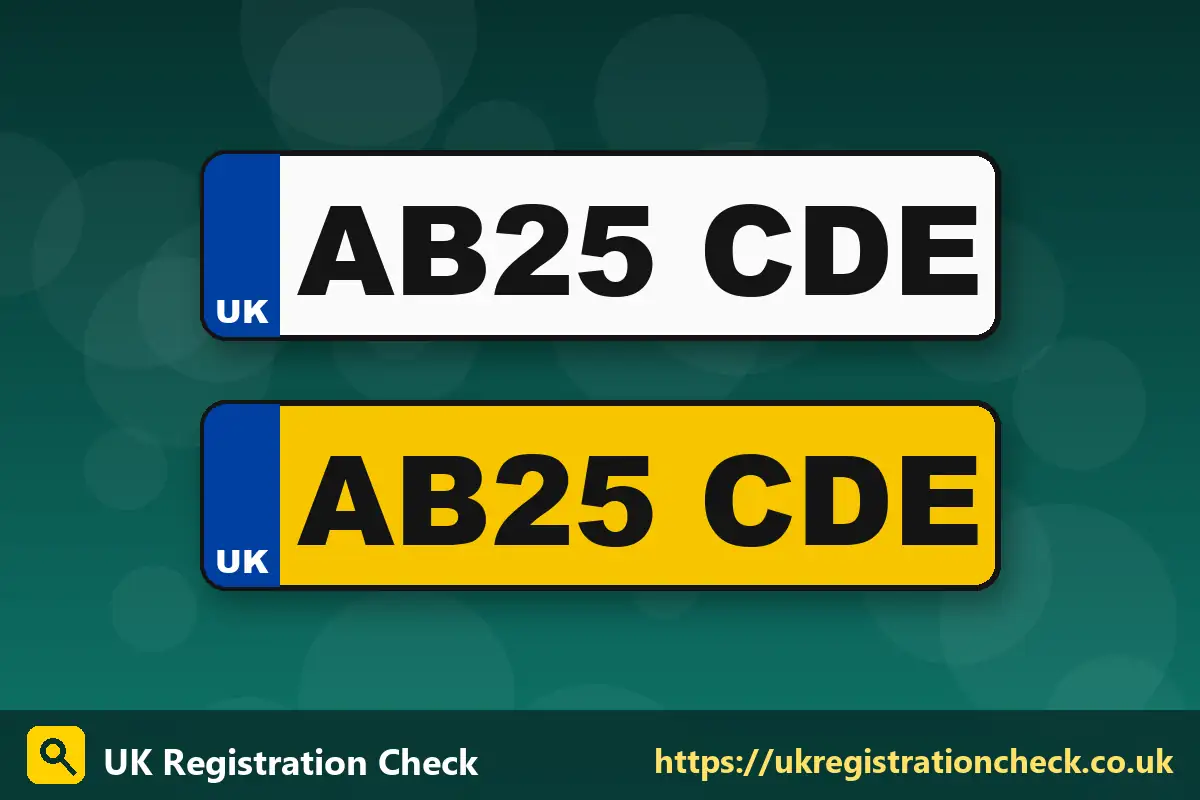
Because the system is based on the registration, getting the number right matters. See how to read a UK number plate.
What Are The Congestion Charge Hours?
The operating hours and days are set by TfL and can change, so check the TfL pages before you travel rather than relying on a figure from an old article.
Public holidays and special arrangements
Some days may be treated differently. The official source lists the current position.
Check at the time of travel
Because hours can be amended, check close to your journey.
Evening and weekend trips
Do not assume that quiet times are free. The days and hours when the charge operates are set by TfL, so confirm them for the day you travel.
Leaving and re-entering
- A trip that leaves and re-enters the zone may be treated in a specific way.
- Payment rules for the same day are set out by TfL.
- Keep your payment record for the day.
How Do Cameras Use Number Plates?
Automatic number plate recognition (ANPR) cameras photograph a plate and convert it to text, which is then matched against payment and exemption records.
- ANPR: reads the registration number.
- Matching: compares it with payments.
- Records: link to the DVLA for vehicle details.
Why a legal plate matters
A plate that is hard to read can cause errors. Read about legal number plates in the UK.
Never obscure or change a plate
Obscuring a plate or using a number plate flipper is illegal and can lead to prosecution, whatever the reason.
Does A Foreign Or Irish Plate Change Anything?
Vehicles with foreign plates are still recorded by cameras, and the charge applies to vehicles in the zone regardless of origin, subject to TfL's rules. See Ireland licence plates for how Irish plates differ.
Imports and new registrations
A recently imported vehicle must be registered with the DVLA before it has a UK plate. Check the current rules on GOV.UK.
Cherished and personalised plates
A personalised plate is read by cameras in the same way as any other. Spacing and style must meet the legal standard, so a plate that looks unusual can be misread.
- Use the legal typeface and spacing.
- Avoid stickers or altered characters.
- Keep the plate clean.
What About ULEZ And Low Emission Zone Charges?
The Ultra Low Emission Zone is a separate London scheme based on emission standards, and low emission zone charges can apply in addition to the Congestion Charge for vehicles that do not meet the standard.
Separate from the Congestion Charge
A vehicle can be subject to one, both or neither, depending on the area and its emissions.
What decides compliance
- Fuel type: petrol and diesel are assessed differently.
- Euro standard: the emission standard the vehicle was built to.
- Age and registration: these help indicate the likely standard.
- Electric or zero-emission: assessed separately.
Check your vehicle's compliance
TfL provides a checker that uses the registration. You can also find CO2 emissions and Euro status with the CO2 emissions checker.
How Do Clean Air Zones Elsewhere Compare?
Other UK cities run clean air zones or low emission zones with their own rules, so each requires its own check; the official GOV.UK vehicle checker covers clean air zones in England.
- England: clean air zones run by local authorities.
- Scotland: low emission zones run by local councils.
- London: TfL's schemes.
Always check the local scheme
Rules, charges and vehicle categories differ by city and may change.
Is The Congestion Charge The Same As Road Tax?
No: the Congestion Charge is a local charge for driving in a zone, whereas road tax, formally vehicle excise duty (VED), is a national tax paid to the DVLA for keeping a vehicle on the road.
"London car tax" is not a single tax
The phrase london car tax is used loosely. It may mean the Congestion Charge, ULEZ, parking charges or VED.
Paying one does not cover another
Paying the Congestion Charge does not tax your vehicle, and being taxed does not excuse a zone charge.
Do You Still Need Vehicle Tax In London?
Yes. Any vehicle used or kept on a public road needs vehicle excise duty, or a SORN if it is off the road, wherever it is. Read about vehicle excise duty.
Check status in seconds
Enter the registration into the free number plate check to see the tax status and due date.
The tax disc is gone
The paper tax disc was abolished in 2014, so the DVLA record is the proof.
What Exemptions And Discounts Exist?
TfL publishes exemptions and discounts, which can cover certain vehicle types, users and eligible categories, and they are subject to change, so always read the current list.
- Vehicle types: some categories may be exempt.
- Residents: discounts may exist for eligible residents.
- Blue Badge holders: arrangements may apply under conditions.
- Low-emission vehicles: treatment has been changing.
Registration may be needed
Some discounts require you to register a vehicle in advance. Check TfL.
How Are Electric Vehicles Treated?
Treatment of an electric vehicle under the Congestion Charge has changed over time and may change again, so check TfL for the current rule. See zero car tax cars.
ULEZ versus the Congestion Charge
An electric vehicle may meet ULEZ standards yet be treated separately under the Congestion Charge.
What About Hybrids?
A hybrid is generally assessed on its emissions and Euro standard, so whether it qualifies for a discount or exemption depends on the current rules and the individual vehicle. Check the TfL vehicle checker.
Plug-in hybrids
A plug-in hybrid has a battery and an engine. Do not assume it counts as zero-emission for a zone scheme, because the rule usually depends on the specific criteria TfL publishes.
Using the registration
The same registration that identifies the car for tax identifies it for the zone, so the lookup helps you see the fuel type before you check the official rule.
Does The Zone Affect Vehicle Tax Rates?
No. The zone does not alter the amount of vehicle excise duty, which depends on category, CO2 emissions, fuel type and registration date. Read the current rates on GOV.UK.
Two bills, two systems
A driver may pay both a national tax and a local zone charge for the same car. They are calculated independently.
Zero-rate vehicles
A vehicle in a zero-rate tax band for VED still needs to be taxed through the DVLA, and may still face zone rules.
How Do I Check A Vehicle Before I Drive?
Check by entering the registration into the TfL vehicle checker and the official GOV.UK tool, then confirm the zone's hours and map.
- Find the registration on the plate or V5C.
- Use the official TfL tool for zone status.
- Confirm the charge times and map.
- Pay or register if needed.
- Keep a record of payment.
Use the free lookup too
The free lookup shows fuel type, year of manufacture, CO2 emissions and Euro status where recorded, which helps you understand how the vehicle will be classed.
What Happens If I Do Not Pay?
If a charge is not paid, TfL may send a penalty charge notice to the registered keeper, and you may be able to challenge or pay under TfL's process. Amounts are set by TfL.
Registered keeper responsibility
TfL uses the DVLA's keeper record, so keeping your V5C details up to date matters.
What if I just sold the car
Tell the DVLA about the sale promptly so notices do not go to the wrong person.
What About Hire Cars And Company Cars?
Hire and company vehicles are charged under the same system, but the registered keeper, often a company, receives any notice and may pass it on under the contract. See the company car tax calculator.
Business use is separate from benefit in kind
A charge paid for work travel is a business matter. Benefit in kind is a different tax assessed by HMRC.
What About Motorbikes And Vans?
Motorbikes and vans are covered by the scheme but may have different rules and discounts. See motorcycle road tax and commercial vehicle tax.
What About Taxis And Private Hire?
Licensed taxis and private hire vehicles have specific arrangements published by TfL, which can differ from private cars. Check TfL's guidance.
What About Disabled Drivers?
Arrangements for disabled drivers and Blue Badge holders exist but have conditions, and they are set out by TfL. A disabled vehicle tax exemption from the DVLA is a separate matter. See bought a car with disabled tax.
Is Northern Ireland Affected?
Not directly. The London charge applies in London. A Northern Ireland-registered vehicle driving in the zone is treated by its registration like any other.
What If I Rent Or Borrow A Car?
If you rent or borrow a car, the charge is still linked to the registration, so ask the owner or hire company how it is handled before you enter the zone.
Who pays
Under a hire agreement the company may pass a charge or notice on to the driver. Read the contract terms carefully.
Borrowing from a friend
The registered keeper receives any notice, so agree in advance who will pay and how.
What About Vehicle Tax On A Car I Drive In London?
Whoever keeps the vehicle must keep it taxed, insured and, where needed, tested. The DVLA's Continuous Insurance Enforcement can penalise an uninsured vehicle that is not on SORN, regardless of where it is driven.
- Tax: check it with the free number plate check.
- Insurance: see is my car insured.
- MOT: the DVSA record shows the test status.
- Rates: the standard rate and first year rate are on GOV.UK.
Direct debit and due dates
If you pay by direct debit, remember the due date still applies to your record, so check it rather than assuming.
Where Else Do Charges Apply For A London Driver?
London drivers may also meet river crossing charges, parking charges and borough rules, all set by different bodies, so check the relevant authority.
- River crossings: run by TfL where charged.
- Parking: set by boroughs.
- Tolls outside London: set by the operator.
What Are The Common Mistakes?
Common mistakes include relying on an old map, confusing ULEZ with the Congestion Charge, assuming road tax covers it and mistyping a registration.
- Using an out-of-date map.
- Mixing up ULEZ and the Congestion Charge.
- Assuming a free vehicle tax category means a free zone.
- Paying against the wrong registration.
- Not telling the DVLA about a sale.
A myth worth correcting
A car with no road tax to pay is not automatically exempt from the Congestion Charge. They are different schemes.
How Do The Schemes Compare?
The main London and national schemes differ in who runs them, what they charge for and where they apply.
| Scheme | Run by | What it charges for | Where it applies |
|---|---|---|---|
| Congestion Charge | TfL | Driving in the central zone | Central London, per TfL map |
| ULEZ | TfL | Vehicles not meeting emission standards | Area set by TfL |
| Vehicle excise duty | DVLA | Keeping a vehicle on the road | Whole UK |
| Clean air zones | Local authorities | Higher-emission vehicles | Named cities |
| Company car benefit in kind | HMRC | Private use of a company car | Whole UK, via payroll |
What Documents Help?
The V5C, your registration, any exemption or discount registration, and payment confirmations help if you need to challenge a notice. See what information is on a vehicle registration document.
- V5C for keeper details.
- Payment receipts.
- Photographs of signs, if relevant.
- Insurance and MOT details.
What If The Record Is Wrong?
If a record shows the wrong vehicle details, correct it with the DVLA, then tell TfL if a notice is affected.
Use the DVLA's official route
Do not use unofficial services that claim to edit records. See DVLA chat and how to contact the DVLA.
A Quick Pre-Journey Checklist
Before driving into central London, a short checklist avoids avoidable charges.
- Check the TfL map and hours.
- Check the vehicle's emission status.
- Pay or register as needed.
- Confirm the registration is right.
- Check MOT, tax and insurance are in order.
Why MOT and tax still matter
A vehicle with no valid MOT, tax or insurance has its own problems. Use the MOT check and vehicle tax status.
Where Is The Official Source?
The official sources are TfL for the zone map, hours, exemptions and charges, and GOV.UK for vehicle tax and the clean air zone checker. See also UK car regulations: recent updates.
Frequently Asked Questions
Where can I see the congestion charging zone map for London?
The official map is published by Transport for London, and it is the only reliable source for the zone boundary. Use it to confirm whether your route enters the charge area and check for notices about changes. Do not rely on a remembered boundary or an old picture, because maps, signs and rules can be updated.
Who runs the London Congestion Charge?
Transport for London runs the scheme, sets the terms, takes payment and enforces it. It is separate from the DVLA, which holds vehicle registration and vehicle excise duty records, and from HMRC, which collects taxes such as the company car benefit in kind charge. Always read the current rules on the TfL website.
Is the Congestion Charge the same as road tax?
No. The Congestion Charge is a local charge for driving in a defined central London zone. Road tax, formally vehicle excise duty, is a national tax paid to the DVLA for keeping a vehicle on the road. Paying one does not cover the other, and being exempt from one does not make you exempt from the other.
What does "london car tax" mean?
It is an informal phrase that can refer to the Congestion Charge, the Ultra Low Emission Zone, local parking charges or ordinary vehicle excise duty. There is no single London car tax. To avoid confusion, work out which scheme you mean and check the body that runs it, TfL for zones and the DVLA for vehicle tax.
How do cameras know my car is in the zone?
Automatic number plate recognition cameras read your registration and match it against payments and exemption records. This is why the plate must be legal, clean and legible, and why you should enter the correct registration when you pay. Altering or hiding a plate is illegal and can lead to prosecution.
Are electric cars exempt from the Congestion Charge?
Treatment of electric vehicles has changed over time, and the position may change again, so do not rely on an old article. Check Transport for London for the current rule and any registration requirement. An electric car may comply with the ULEZ standard while being treated differently for the Congestion Charge, so check both.
What are low emission zone charges?
They are charges for driving a vehicle that does not meet an emissions standard in a defined zone. In London the scheme is the Ultra Low Emission Zone, and other cities have clean air or low emission zones with their own rules. The official checkers use your registration, so enter it to see whether your vehicle meets the standard.
Do I still need road tax if I only drive in London?
Yes. Any vehicle used or kept on a public road needs vehicle excise duty, or must be declared off the road with a SORN, wherever it is driven. The Congestion Charge does not replace vehicle tax. Check your status with the free number plate check and confirm the details on GOV.UK.
What happens if I do not pay the charge?
Transport for London may send a penalty charge notice to the registered keeper, and there is a process to pay or challenge it. The amounts and deadlines are set by TfL and change, so read them on the notice and on the TfL website. Keep your keeper details up to date with the DVLA.
Are there discounts or exemptions?
Transport for London publishes exemptions and discounts for certain vehicle types, residents and eligible drivers, and these can change. Some require advance registration. Read the current list on the TfL website and apply early where needed, because a missed registration can mean paying the full charge.
Can I check if my car meets the emission standard?
Yes. Transport for London and GOV.UK provide vehicle checkers that use your registration. The free lookup can also show fuel type, year of manufacture, CO2 emissions and Euro status where recorded, which helps you understand how the vehicle is classified. The official checker gives the definitive answer.
Is the congestion map zone the same as the ULEZ area?
Not necessarily. The central Congestion Charge zone and the Ultra Low Emission Zone are separate schemes with their own areas, rules and charges, and the ULEZ area has changed over time. A journey can be inside one, both or neither. Check each scheme on the TfL website, using the map and your vehicle registration.
Does a zero-rated car pay the charge?
A car in a zero-rate vehicle excise duty band is not automatically exempt from the Congestion Charge, because the two systems are separate. Whether an electric or low-emission vehicle receives a discount depends on TfL's current rules, which have changed in the past. Check TfL and register the vehicle if the rules require it.
How do I check the vehicle's tax and MOT before a London trip?
Enter the registration into the free number plate check to see tax status, MOT expiry and fuel type, then use the TfL vehicle checker for zone compliance. A car needs valid tax, insurance and where required an MOT whether or not it enters a zone, so confirm all three before you set off.
What if I sold my car and receive a notice?
Tell the DVLA about the sale as soon as it happens, because notices are usually sent to the registered keeper on its record. Keep proof of the sale date and the buyer's details, then contact the issuer of the notice explaining the situation. Do not ignore a notice, because deadlines apply.
Official Sources
Rules, fees and deadlines change. Confirm anything that affects your money or legal position with the official service.