MOT history is the official record of every MOT test a vehicle has taken in Great Britain, held by the Driver and Vehicle Standards Agency (DVSA) and searchable by registration number. For each test it lists the date, the pass or fail result, the odometer reading and any advisories or defects the tester recorded. You can check MOT history for any car, van or motorbike for free by entering its reg into the number plate check.
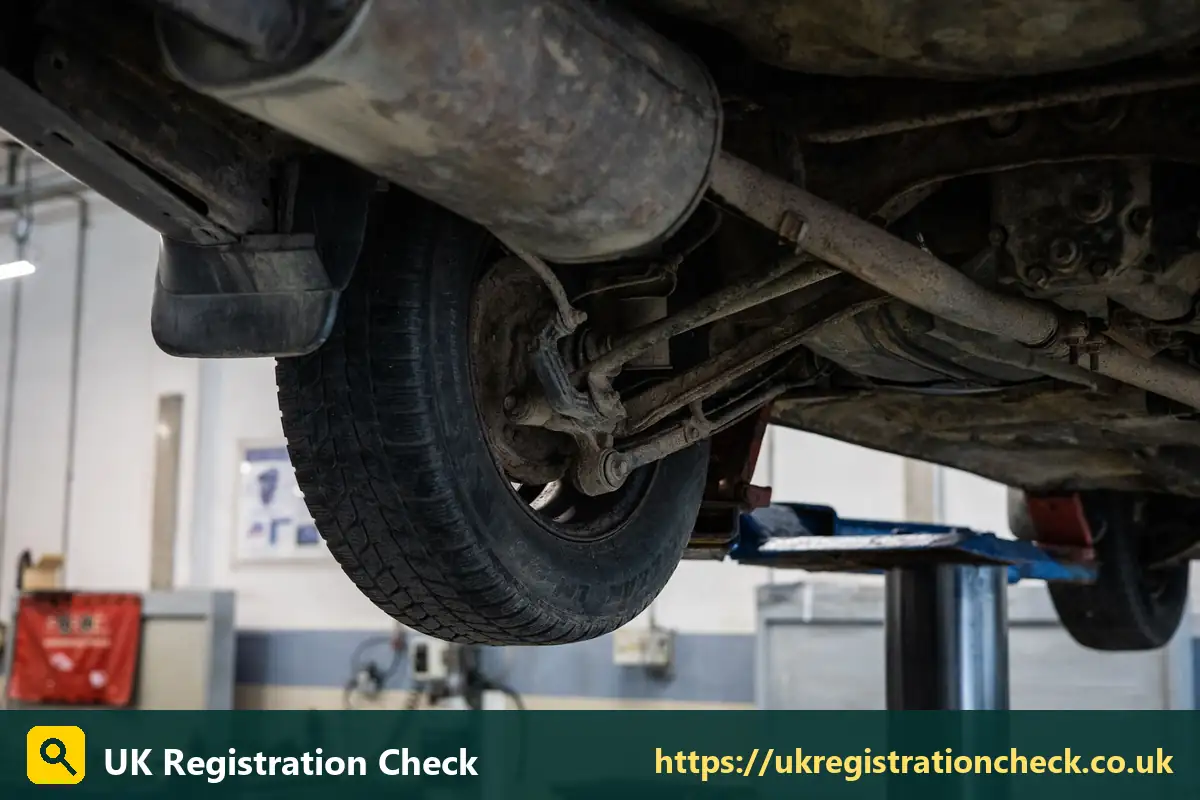
Part of MOT Status & Due Dates. Start with the main guide: MOT Check: Status, Expiry and Test Results
Updated October 2026 · Independent information, not legal advice
A vehicle's MOT history is one of the most useful pieces of public data in a used-car purchase, because it shows how the car has aged, how far it has really travelled and which faults keep coming back. The sections that follow explain what the record contains, how to read it like a mechanic, how it differs for bikes, vans, electric vehicles, classics and imports, and what to do when an entry looks wrong.
What Is MOT History?
MOT history is the digital log of a vehicle's MOT tests, created by authorised test centres and published by the DVSA.
What one entry contains
- The date of the MOT test and the test centre's result.
- A pass or fail outcome.
- The odometer reading recorded at the test.
- Advisories and defect items noted by the tester.
- The expiry date of any certificate issued.
How far back it goes
Online records typically start from 2005 for most vehicles, so a very old car may show only its later tests. Anything before that date is simply not on the public record, so a past MOT history search for an old car will not turn up tests from the 1990s.
How Do I Check MOT History?
To check my MOT history or any other vehicle's, you only need the registration number.
- Enter the reg exactly as shown on the plate.
- Review the current status and expiry date at the top.
- Open each test in turn, newest first.
- Read the advisories and defects before the result.
- Compare the mileage readings in date order.
Check MOT history by reg or by certificate
The registration is the normal route, and it is how you find MOT history for any vehicle. A certificate number from an old paper certificate is not needed, which is a relief if the paperwork has gone missing.
Ways people phrase the same search
Someone who types mot check history, mot checker history or mot history uk wants the same thing: the DVSA test record for a registration. Whether you want to check car MOT history, check vehicle MOT history, check MOT history of a vehicle or check MOT history UK wide, the steps are identical. People also check my car MOT history or check a car's MOT history to confirm what a seller says, and a buyer may search MOT history or run a reg check MOT history query using only the plate. A my car MOT history lookup, a mot history of vehicle query and a vehicle MOT history check all return the test list, newest first.
Check MOT history on mobile
The lookup works well on a phone, which suits a forecourt visit when you are standing next to the car. Anyone who wants to check my car's MOT history before a service or a sale can do it in a minute from the driveway, and the same steps let you check the MOT history of a car you are thinking of buying.
MOT History Check Online And For Free
A free MOT history check returns the same official data that a paid report would include for MOT tests, so there is no reason to pay for MOT records alone. Searches such as check mot history free or car mot history check free all lead to this same public DVSA data, and an MOT history check UK-wide covers England, Scotland and Wales alike.
Free versus paid
Paid vehicle reports add insurer, finance and police data that a free MOT lookup cannot supply. Free vs paid vehicle checks explains which you need.
MOT history for England, Scotland and Wales
The record is national, so an MOT history check Scotland or Wales returns the same format as one in England. A vehicle's MOT test certificate details are the same everywhere in Great Britain, and a person who wants a MOT history request answered for a vehicle they keep can simply search it by registration.
Why the data is public
The MOT record is published to protect buyers. It never shows owner names, addresses or any private details, only the vehicle's tests.
DVLA MOT History Or DVSA? Who Holds The Record
People often search dvla mot history, dvla mot history check or dvla check mot history, and some type mot history check dvla or dvla vehicle mot history, but the DVLA does not hold MOT records: the DVSA does.
Two agencies, two records
The DVLA records registration, tax and the V5C; the DVSA records MOT tests. The Driver and Vehicle Licensing Agency page covers the DVLA's side.
Why one lookup shows both
The agency that publishes the data is the DVSA, so DVSA MOT history is the accurate name, while a dvla mot test history or dvla car mot history query is really a search for the same DVSA test record. Anyone who wants to check MOT history DVLA style will get it from the combined record.
A combined lookup draws on both records so that MOT history DVLA searches and MOT history DVSA searches land on the same screen: make and model from the DVLA, tests from the DVSA.
What about VOSA?
You will still see vosa mot history and vosa mot history check in searches. The Vehicle and Operator Services Agency was merged into the DVSA, so the MOT data now sits with the DVSA.
MOT History Gov Service: The Official Route
The official GOV.UK MOT history service is the definitive place to check MOT history gov style, and the address commonly searched is gov.uk/check-mot-history. People type it many ways, including mot history gov uk, gov mot history and mot history check gov, and an mot history of a vehicle from the government service shows the same DVSA test data.
Why use the official source
When the stakes are high, such as a dispute with a seller, the GOV.UK result is the version to quote.
Using both
A free lookup is quicker for the whole picture; GOV.UK is the official confirmation. There is no conflict, because both use the DVSA data. Developers may also see a MOT history API offered by the DVSA for software, which is a separate route from the ordinary lookup (check GOV.UK for current access terms).
Is My MOT History The Same As My MOT Certificate?
No. The certificate is the document proving one pass; the history is the full list of every test.
What the certificate shows
The pass certificate, known as the VT20, shows one test: date, mileage and expiry. See MOT certificate for getting a copy.
What the history adds
The history adds every earlier test, including fails, which a certificate never shows. That is why a seller who offers only the latest paper pass is giving you a fraction of the picture, however genuine the certificate.
Reading The Status Panel
The top of a history shows the current MOT status and expiry date before any test details.
- Valid: a certificate is in date.
- Expired: the last certificate has run out.
- No results: no tests are recorded.
- Not yet due: the vehicle is too new.
The status panel is a summary of the latest entry, so never stop there. A vehicle can show a valid certificate at the top and a worrying list of earlier fails underneath, and that context is the value of reading the full MOT history rather than only the headline.
Link to the due date
For the expiry calculation and the one-month early window, see when does my MOT run out.
Pass, Fail And Everything Between
A test result is binary at its core, but the details inside matter more than the headline.
| Result | What it means | What to look at next |
|---|---|---|
| Pass | The vehicle met the standard on test day | Any advisories and minor defects |
| Pass with advisories | Valid certificate, with issues noted | Whether advisories repeat |
| Fail | A major or dangerous defect was found | The defect list and the retest |
| Retest pass | Failed items fixed and rechecked | The gap since the fail |
| Dangerous fail | Not safe to drive until repaired | Whether it was repaired properly |
How To Read MOT Advisories
MOT advisories are notes the tester gives about wear or deterioration that is not yet bad enough to fail.
Typical advisory themes
- Tyres close to the legal limit.
- Brake discs or pads wearing.
- Slight corrosion on structural areas.
- Minor oil leaks.
- Play in suspension parts.
Why advisories matter when buying
An advisory is a price-negotiation tool and a repair forecast. A pile of advisories on safety-critical systems tells you the next owner will pay for them.
Minor, Major And Dangerous Defects
Defects are graded by severity, and the grade decides whether the vehicle passes.
- Minor defect: recorded, but the vehicle can pass.
- Major defect: a fail, because it may affect safety or the environment.
- Dangerous defect: a fail and the vehicle should not be driven until it is repaired.
- Advisory: not a defect grade, but a note.
Why dangerous defects stay on record
A dangerous item on an old test is not a permanent black mark, but it is worth asking when and how it was fixed.
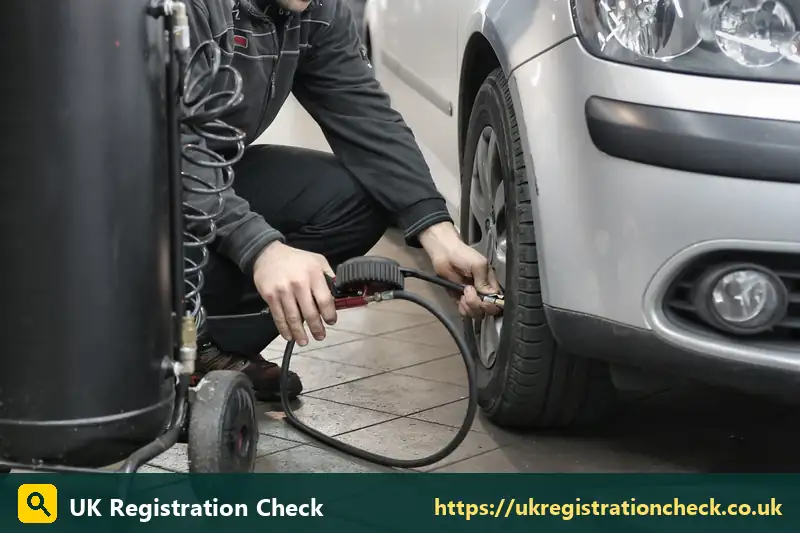
What A Retest Looks Like On The Record
A retest follows a fail and is recorded as its own entry.
Same centre, short window
If the vehicle is left at the test centre for repair, a partial retest may be carried out quickly; if it is taken elsewhere, a fresh full test may be required. The test centre will explain.
Reading the sequence
Always read a fail together with the entry that follows it, because the pair tells the story. A fail then pass within days is normal. A fail followed by months of nothing may mean the vehicle was off the road or repaired privately.
MOT Mileage Check: What The Odometer Trail Tells You
An MOT mileage check reads the odometer figure from each test and builds a year-by-year timeline.
- Readings should climb steadily.
- A sharp fall suggests a clocked or replaced odometer.
- A flat spell may mean little use or time off the road.
- Large annual jumps point to heavy business use.
Link to a wider mileage check
Mileage check explains how to combine MOT readings with service books and the car's condition.
Spotting A Clocked Car From MOT History
Odometer tampering is illegal, and the MOT trail is one of the best free ways to catch it.
What a suspicious pattern looks like
A reading that goes down between tests, or a figure far below what the wear suggests, deserves a question to the seller.
What to do
Walk away or ask for service records; consider a full history check. Never accept "the mileage is just a typo" without evidence.
Spotting Repeated Problems And Neglect
Repeating advisories show a pattern of deferred maintenance.
- The same tyre or brake note year after year.
- Corrosion described a little worse each time.
- Several fails for the same system.
- Long gaps between tests.
Reading the story
A car with steady passes and mild advisories that were cleared next year tells a very different story to one that fails and sits.
MOT History For Motorbikes
A motorbike MOT history works exactly like a car's, searched with the bike's registration, so a motorbike mot history or check bike mot history query returns the same fields.
Classes and weights
Bikes are tested in class 1 or class 2, depending on engine size, and sidecar combinations may fall under different rules.
Plates and typing
Bikes show only a rear plate, so make sure you read it correctly; see motorbike number plates.
MOT History For Vans And Light Commercial Vehicles
Vans appear in the same record, usually in class 4, or class 7 if heavier.
Why vans have heavier wear
Vans often cover higher mileages and show more tyre, brake and suspension advisories, so do not read the same pattern as a warning on a car.
Weight and class
The test class follows the gross vehicle weight. If it matters, confirm it on GOV.UK.
HGV MOT Check And Large Vehicles
A hgv mot check (people also ask to check hgv mot history) differs from a car lookup, because heavy goods vehicles, trailers and large buses are tested under a separate annual test regime.
Where to look
Use the official GOV.UK services for heavy vehicles, as a car-style lookup may not hold their results. The same applies to a trailer mot checker or mot trailer check: trailers over a certain weight are tested separately, so confirm the current approach on GOV.UK. By contrast, you can check van MOT history and check bike MOT history in the ordinary lookup.
MOT History For Electric And Hybrid Vehicles
Electric and hybrid vehicles are tested like any other car once they reach test age, and their history reads in the same way.
What is different
Battery-electric cars have no exhaust emissions test. Hybrids are tested for the combustion engine's emissions as normal.
What to look for
Tyre wear and brake corrosion are common advisories on heavier, regenerative-braking cars.
MOT History For Classic And Exempt Vehicles
Vehicles exempt under the rolling historic rule may have little or no MOT history, and that is not a warning sign by itself.
Voluntary tests
A mot historic vehicle check may therefore return nothing for an exempt car. Many classic owners test voluntarily, and those results appear in the history just like compulsory ones.
Exempt does not mean roadworthy
An exempt vehicle must still be kept in a roadworthy condition, because roadworthiness is a legal duty whether or not a test is due. Check the rule on GOV.UK, and see classic car tax for the separate tax rule.
MOT History In Northern Ireland
A Great Britain MOT history lookup does not normally cover Northern Ireland, so a mot history check ni or dva mot history search needs the DVA's own service, because the Driver and Vehicle Agency (DVA) runs the tests there.
Where Northern Ireland tests are held
See MOT in Northern Ireland and the Driver and Vehicle Agency for the DVA's system.
Many people type check mot history ni or mot history ni expecting the GB data, but the NI record is separate.
Vehicles that have moved
If a vehicle moved from Northern Ireland to Great Britain, earlier DVA tests may not appear in the DVSA record.
MOT History For Imported Vehicles
An import has no UK MOT history until its first UK test, and that blank is normal.
First registration
The DVLA registers the vehicle, assigns a UK registration, and the MOT clock follows the usual rules. Check GOV.UK for the age treatment of imports.
What the history may not show
Any foreign inspections are not on the DVSA record.
Does The History Change When The Plate Changes?
The history follows the vehicle, not the registration, once the DVLA has recorded a change.
Private plates
If a private plate is assigned or removed, search under the registration currently on the V5C. Remove a private plate covers what happens to the original number.
Cloned plates
A history that is wildly out of line with the car in front of you could be a sign of a cloned plate or a wrong registration. Walk away and take advice.
Test Classes At A Glance
The test class is set by vehicle type and decides the checks carried out.
| Class | Typical vehicles | Why it matters |
|---|---|---|
| Class 1 | Smaller motorcycles | Own checklist for two wheels |
| Class 2 | Larger motorcycles | Same, with larger engines |
| Class 3 | Three-wheeled vehicles | Lighter three-wheelers |
| Class 4 | Cars, small vans, many motorhomes | The most common class |
| Class 7 | Heavier light goods vehicles | Higher weight band |
Checking A Car's History Before You Buy
Check mot history of a car you are about to buy as the first step, not the last.
Questions to ask against the record
- Does the mileage on the advert match the last reading?
- Were there fails shortly before the sale?
- Are the same advisories repeating?
- Does the seller know why there are gaps?
Beyond the MOT
MOT history does not show finance, write-off or stolen status. See check if a car has been written off and car finance checker.

Checking Your Own Vehicle's MOT History
Reading your own history is useful for resale and planning.
Why bother
- Spot recurring advisories before they become fails.
- Find the date a repair was recorded.
- Prove a good maintenance record to a buyer.
Keep a record
Save the certificates and the history for your own file; it can strengthen a sale. A buyer who sees dated passes, cleared advisories and sensible mileage is far more likely to trust the car than one handed a bare asking price.
Check before the test
Reading your own previous list the week before a test is the cheapest preparation there is, because last year's advisory is often this year's fail.
MOT History And Insurance, Tax And SORN
The MOT expiry date is the only date in the record that ties to tax, and MOT history does not show insurance, tax or SORN status, but all three connect to it.
- The DVLA normally needs a valid MOT before taxing a vehicle that requires one.
- A SORN vehicle does not need to be tested while off the road.
- Insurance is held on the Motor Insurance Database, so askMID is the place to look rather than an askmid mot history search, and anyone wanting to check MOT history and insurance must use two services.
Cross-checks
Is my car taxed and is my car insured cover the other halves of the picture.
What MOT History Cannot Tell You
MOT history is only a series of inspection snapshots.
- No service history or oil-change record.
- No accident or insurance claim data.
- No finance or stolen marker.
- No previous keeper count; see how many owners has my car had.
- No guarantee of mechanical health.
Gaps In The Record: What They Mean
A gap is not proof of a problem, only of an absence of tests.
Common reasons
- The vehicle was SORN or off the road.
- It was exempt for a period.
- It was imported or abroad.
- A test was recorded under another registration.
Asking the seller
Ask directly and listen for a consistent, documentable answer. A plausible reason such as time abroad, a SORN period or a long-term garage stay is usually supported by a document or two, while a vague reply deserves more caution.
A gap versus a missing test
A gap in the list is a period with no test; a missing test is a test that should have happened and did not. A car over three years old that has gone two years without a test while taxed and on the road is the more serious case, because it suggests either an administrative error or a vehicle used without a valid MOT.
Wrong Entries And How To Fix Them
If a mileage, date or result looks wrong, tell the test centre first.
Escalation
If the centre cannot correct it, the DVSA handles disputes through GOV.UK. Gather your evidence: certificate, reg, date and photos of the odometer.
Mileage typos
A one-digit error in the odometer entry is a known cause of odd readings and is the most commonly corrected item.
MOT History For Fleets And Small Businesses
Fleet managers can search each registration and spot vehicles overdue or drifting towards repeated fails.
- Keep a spreadsheet of expiry dates.
- Track advisories to plan replacement.
- Review failures before they become downtime.
- Check second-hand additions before purchase.
Using History With A Vehicle Inspection
A history check and a physical inspection complement each other.
What each finds
The record shows past tests; the inspection shows today's condition. A full vehicle history and mot check combines both ideas, with the vehicle MOT history supplying the inspections and a commercial report supplying finance and write-off data. Use the history to decide what to examine closely. Vehicle inspection check lists what to look at.
MOT History Search Tips That Save Time
An MOT history search is quick, but a few habits prevent wrong answers.
- Type the registration from the plate, not from memory or an advert.
- Try the alternate spelling of a letter if nothing appears (O and 0, I and 1).
- Search again later if the test was only just done.
- Screenshot the result with the date, in case a dispute follows.
- For checking MOT history on several cars, keep a note of each reg and its MOT history car result so the comparison is fair.
- Use the full phrase check MOT history online with the right reg rather than a half-remembered one, and note that mot history checker sites all draw on the same record.
View MOT history on an older vehicle
For an mot history of car that is many years old, the mot mileage history is often the most revealing column, and a check mot mileage history search shows whether it climbs steadily.
To view MOT history on a car with a long life, scroll right to the oldest test before reading upwards, so you follow the story in order.
Reading The History Of An Older Car
Cars over fifteen years old produce long records, and the pattern matters more than any single entry.
Wear that is normal
Corrosion advisories, worn bushes and exhaust notes are common on older cars and are usually repairable.
Wear that is worrying
- Structural corrosion on sills or subframes that gets worse each year.
- Several brake-pipe advisories.
- Repeated steering or suspension failures.
Budgeting for upkeep
An older car with an honest, repeating list of small advisories can be a fair buy, but price in the work.
How MOT Recording Has Changed Over The Years
Older entries use simpler wording than newer ones, because defect grading and the way results are shown have been updated in recent years.
Why old tests look different
A pre-change entry may list only failures and advisories, not minor, major and dangerous grades. Do not read the lack of grades as a lack of defects.
Treat comparisons carefully
Compare like with like: a modern major defect and an older failure item are not always exactly the same thing.
Using MOT History To Negotiate A Price
The record gives you factual points that a seller cannot easily dispute.
- Point to advisories likely to need work soon.
- Ask about the gap between a fail and the next pass.
- Raise any odd mileage reading.
- Mention the number of days left on the current MOT.
Keep it polite
State the facts and ask for a lower price or a repair rather than accusing anyone of anything.
Can I Check MOT History Without The Registration?
You normally need the registration, because MOT records are indexed by it.
If you only have the VIN
A free MOT lookup does not search by VIN. The vehicle identification number (VIN) can be matched to a registration through other routes; see get a VIN from a reg and decoding a VIN.
If you only have the car in front of you
Read the number plate, and cross-check it with the V5C if the seller has one, which also confirms the registration.
Checking The History Of A Car You Used To Own
Finding an old car's history starts with its old registration, if you still have it.
Where to find the reg
Old insurance documents, a V5C copy, parking tickets or photos can show the plate. Find my old car goes through the options.
What you will and will not see
You can see MOT tests recorded since you sold it. You will not see who owns it now.

Emissions Failures In The History
An emissions fail appears as a major defect and often points to a fault rather than age.
- Petrol: catalytic converter, lambda sensors or misfire.
- Diesel: particulate filter, EGR valve or injectors.
- Repeated failures: check how it was fixed.
Why a retest after emissions work matters
A pass straight after a failed emissions test suggests the fault was actually resolved.
MOT History For Ex-Taxis, Ex-Fleet And Hire Vehicles
Vehicles that did hard commercial work can have very long lists with high mileage and many tests.
How to judge them
Look at the trend in advisories, not the volume of entries. Many fleet vehicles are serviced regularly, which can help, but high mileage still wears parts.
Questions to ask
- How many years in service?
- Was it maintained by the fleet owner?
- Why is it being sold now?
Buying At Auction Or From A Dealer With The History In Hand
Before bidding, run the registration and read the history, because many auction vehicles are sold with limited information.
Dealers
A dealer should be able to explain every fail and big advisory on the record. If they cannot, treat that as information.
Auctions
Auction vehicles may have no MOT or a very short one, so allow for a test straight after purchase.
Legitimate Uses And Privacy
MOT history is vehicle data and not personal data, which is why it is open to everyone.
- Buyers can verify a car.
- Keepers can review their own tests.
- Fleet managers can track expiry dates.
- Garages can check previous failures before a test.
What not to do
Do not use a plate to try to find a private keeper. MOT history will not show them, and tracking a number plate explains the limits and the proper routes.
Three Worked Examples Of Reading A History
Examples show how the same record can lead to different decisions.
The tidy five-year-old hatchback
First MOT at three years, a clean pass, then a pass with an advisory for tyre wear that was fixed before the next test. Mileage rises by a similar amount each year. This is the reassuring pattern, and the only action is to check tax, insurance and finance elsewhere.
The ten-year-old diesel with a hole in the story
Passes for six years, then a fail for the particulate filter, then no test for eighteen months, then a pass. The gap could be a SORN period or a car left unused, and the fix could have been proper or cheap. Ask what was done and request the invoice.
The van with high mileage and many advisories
Each year adds a large mileage figure and a short list of brake and suspension advisories. That is typical for a working van, so the question is whether those items were actually fixed before the next test, which the following year's list will show.
What the three have in common
None of them is judged on one entry. In every case the decision comes from the sequence, the mileage and the follow-up, not from a single pass or fail.
What to do after you have read the history
The record is only the start of a purchase decision, and the examples above are only as good as the checks that follow them. A tidy history can still sit on a car with undisclosed finance, and a messy one can belong to a car that has been properly repaired.
- Run a free number plate check for tax status and vehicle details.
- Ask about service history and look at the invoices.
- Get a professional inspection on anything expensive.
- Verify insurance, finance and write-off status separately.
If the history looks poor
You are free to walk away. A car that fails the standard by a wide margin, repeatedly, is rarely a bargain.
Common Mistakes Reading MOT History
- Reading only the latest pass and ignoring older fails.
- Ignoring advisories on brakes and steering.
- Not comparing the mileage with the advert.
- Assuming a fresh MOT means a safe car.
- Searching the wrong reg after a plate change.
Myths About MOT History
"An MOT history is the same as a car history check"
A full history check includes finance, write-off and stolen data; MOT history does not.
"A clean history means a good car"
It means the car passed on certain days. Condition can change in between.
"Old fails disappear"
They do not; every test remains on the record.
Quick MOT History Checklist
- Enter the registration carefully.
- Read the status and expiry.
- Walk through each test, newest first.
- Note repeated advisories.
- Compare mileage readings with the advert.
- Check tax, insurance and finance elsewhere.
Official Sources And Next Steps
The official MOT history service is on GOV.UK, run by the DVSA, with Northern Ireland tests handled by the DVA. For the broader topic, read the MOT status and due date checks overview, or move on to booking a test.
Frequently Asked Questions
How do I check MOT history for free?
Enter the vehicle's registration number into a free MOT history lookup. It returns the official DVSA record: every test date, result, odometer reading, advisory and defect, plus the current MOT status and expiry date. No account is required and nothing is charged, because MOT test records are published as public data. For official confirmation, also use the GOV.UK MOT history service.
How do I check my MOT history online?
To check my car's MOT history online, enter the registration number into a free lookup or the GOV.UK MOT history service. You can check MOT history online without an account, on a phone or computer, and view each test, the odometer reading and any advisories. For a vehicle that is not in Great Britain, such as one tested in Northern Ireland, use the DVA instead.
Can I check the MOT history of a car without the keeper's details?
Yes. To check the MOT history of a vehicle you only need its registration, and the GOV.UK MOT history service or a free lookup will show the test record. A car MOT history search never reveals the keeper, and the MOT history check UK record covers Great Britain only. Treat the result as the MOT history of a car's inspections, not a full vehicle history.
How far back does MOT history go?
Online MOT history typically starts from 2005 for most vehicles, so very old vehicles may show only the tests recorded since then. Earlier tests are not on the public record. A newer car shows every test since its first MOT at three years old. If a vehicle appears to have no history, check whether it is new, exempt, imported or registered in Northern Ireland.
Is MOT history held by the DVLA?
No. The DVLA holds registration and tax records, while the DVSA runs the MOT scheme and holds MOT test records. Searches for DVLA MOT history usually reach the same data, because a combined lookup shows DVLA vehicle details alongside DVSA test results. The Vehicle and Operator Services Agency, once responsible for MOTs, was merged into the DVSA.
What information does MOT history show?
It shows each test's date, pass or fail result, the odometer reading, any advisories and defect items such as minor, major or dangerous, plus the expiry date of the certificate issued. It does not show insurance, finance, write-off or stolen data, service history, number of previous keepers, or owner details. Treat it as a record of inspections rather than a full vehicle history.
Can I see MOT history for someone else's car?
Yes. MOT results are public data searchable by registration, and you do not need the keeper's permission. The record never includes owner names or addresses. Looking up a car you intend to buy is a standard and sensible use. Owner details are protected and released only to people with a legitimate reason under strict rules.
What are advisories on an MOT history?
Advisories are notes from the tester about wear or deterioration that is not yet bad enough to fail, such as tyres nearing the limit or a slightly worn brake disc. They do not affect the certificate. They are useful for forecasting repair costs and for negotiating, especially if the same advisory repeats year after year or concerns brakes, steering or corrosion.
What is the difference between a minor, major and dangerous defect?
A minor defect is recorded but does not fail the vehicle. A major defect is a fail because it may affect safety or the environment. A dangerous defect is a fail and means the vehicle should not be driven until it is repaired. Advisories are separate notes. The full grading is set out by the DVSA on GOV.UK.
Can MOT history show if the mileage has been clocked?
It can raise a flag. Each MOT records an odometer reading, so a figure that drops between tests, or a long period of implausibly low use, suggests tampering or a recording error. It is not proof on its own. Ask the seller to explain, look at service records, and consider a full history check before buying.
Why is there no MOT history for my vehicle?
Common reasons include a mistyped registration, a vehicle too new for its first MOT, a historic vehicle exempt from testing, a Northern Ireland vehicle tested by the DVA, an import never tested in Great Britain, or a heavy vehicle in a separate regime. Check the characters, the age and the type before assuming a problem.
Does MOT history cover motorbikes, vans and electric cars?
Yes. Motorbikes, vans and electric or hybrid cars are all tested under the MOT scheme and appear in the history by registration. Bikes use class 1 or 2, vans usually class 4 or 7. Electric cars have no tailpipe emissions test but are checked on brakes, tyres, steering and lights. Heavy goods vehicles are tested under a separate regime.
Does MOT history cover Northern Ireland?
Not normally. The Driver and Vehicle Agency tests vehicles in Northern Ireland and keeps its own records, which a Great Britain MOT lookup usually does not show. Use the DVA's official service for Northern Ireland vehicles. If a vehicle has moved between regions, earlier tests may sit in the other agency's records, so ask for the paperwork.
Is MOT history the same as the MOT certificate?
No. The certificate, often called the VT20, proves one pass and shows its date, mileage and expiry. The history lists every test, including fails and advisories, which a certificate never shows. You can usually obtain a replacement certificate if yours is lost, while the history is always available online by registration.
Can I get a vehicle's MOT history by number plate?
Yes, the registration shown on the number plate is the only thing you need. Type it into a lookup and the DVSA's test record appears. If a plate has been changed, such as a private registration, search under the registration currently held by the vehicle. Be careful to type letters and digits correctly, particularly 0 and O.
What should I do if my MOT history is wrong?
Contact the test centre that carried out the test, since it entered the result and the odometer reading and can usually correct a mistake. If it cannot, raise it with the DVSA through GOV.UK. Keep your certificate, the registration and the test date. Do not rely on a disputed reading when buying or selling a vehicle.
Does MOT history show failed tests?
Yes. Every test is on the record, including fails, with the major or dangerous defects listed. A retest after repair appears as its own entry. A fail does not remain a permanent mark in itself, but it is useful context, especially if the same fault returns or if there is a long gap before the next pass.
Is a long MOT history a good sign?
Usually it shows a vehicle that has been tested regularly, which is reassuring. What matters is the story it tells: steady passes, advisories that were fixed, and mileage that rises sensibly. A long history on a former taxi or fleet vehicle can include many tests. A thin history may only mean the vehicle is young, exempt or imported.
Official Sources
Rules, fees and deadlines change. Confirm anything that affects your money or legal position with the official service.