A vehicle inspection check is a hands-on examination of a used car's bodywork, mechanics, interior and paperwork, done before you hand over money. It sits alongside a registration-based vehicle history check: the records tell you what has happened to the car, while an inspection shows you what condition it is in now. Used together, they catch most expensive surprises.
Part of Used Car History. Start with the main guide: Car Finance Checker: Is There Finance on a Car?
Updated October 2026 · Independent information, not legal advice
Do both in the right order. Run the free number plate check first to confirm MOT history and mileage, then inspect the car in daylight with a plan, a torch and a checklist, and decide whether to book an independent professional to look underneath.
What Is A Vehicle Inspection Check?
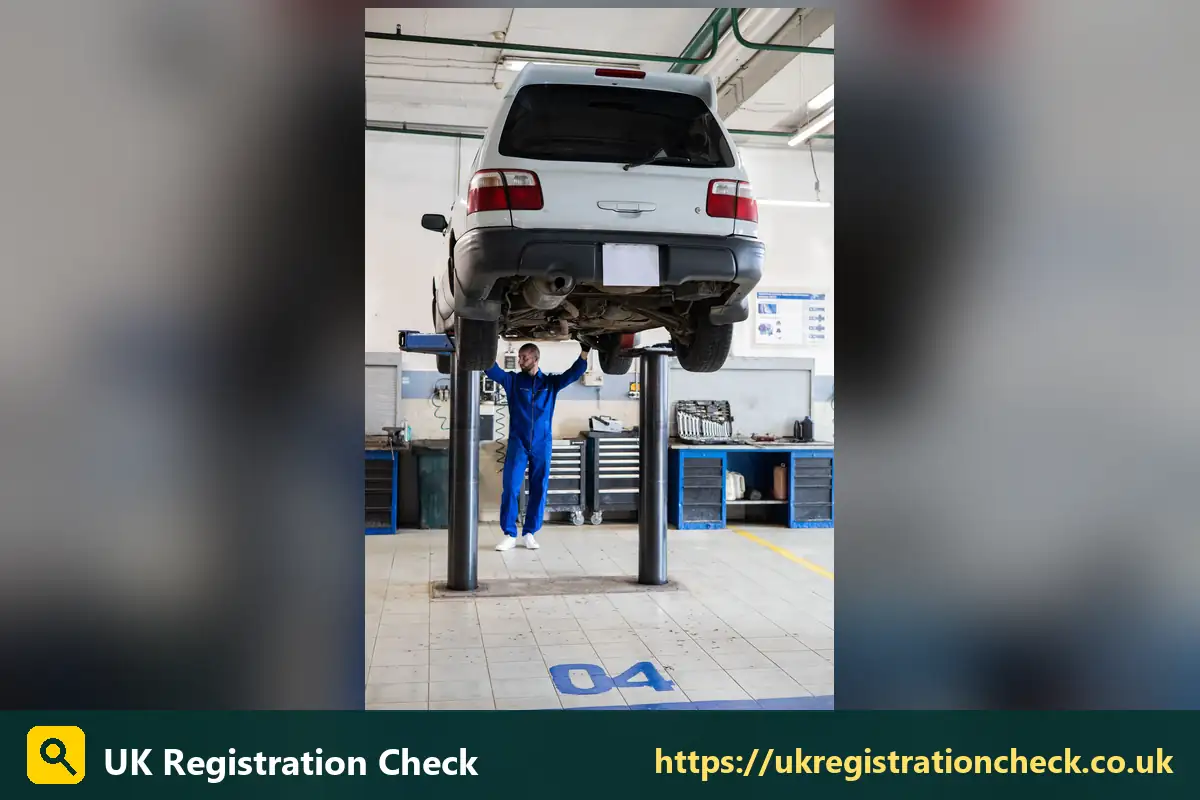
It is a structured look at a car before purchase, covering identity, body, tyres, brakes, engine bay, interior, electrics and a road test. Inspecting a vehicle yourself is free; a professional inspection is charged at a rate the provider sets.
| Level | Who does it | What it covers | Main limit |
|---|---|---|---|
| Own walk-round | The buyer | Body, tyres, interior, cold start, test drive | No ramp, no diagnostics |
| Garage inspection | Independent mechanic | Underside, brakes, suspension, fault codes | Scope set by the garage |
| Engineer's report | Specialist or organisation | Detailed condition and repairs | Not a guarantee or a history check |
| History check | Records provider | Finance, write-off, stolen data | Says nothing about condition |
What are the three levels of inspection?
A buyer can choose between these levels depending on the car and the risk.
- Your own walk-round and test drive
- A garage or mechanic's pre-purchase inspection
- A motoring organisation or specialist engineer's report
Car Check Before Purchase: Where To Start
A sensible car check before purchase begins with records, because they decide whether a physical inspection is worth the trip. Confirm the MOT history, tax status and mileage readings, then ask for the V5C details.
Questions for the seller
Ask why they are selling, how long they have owned it, whether it has had accidents or repairs, and whether the service history is complete. Write down the answers to compare later.
Choose The Right Time And Place
Inspect in daylight and dry weather, on level ground, ideally at the seller's home address. Rain hides paint flaws and dim light hides dents.
What to bring
- A torch
- A small magnet for filler checks on steel panels
- Tissues or a rag to wipe the dipstick
- A printout of the MOT history
- A friend to help
- A phone for photos of any faults
Check The Identity Of The Car
Confirm the car is what it claims to be. The registration, VIN and engine number where visible should match the V5C. A mismatch can point to a cloned or rebuilt vehicle. Read how a vehicle identification number is structured.
Where the numbers are
The 17-character VIN is on the chassis, a plate in the engine bay or door pillar and often at the base of the windscreen. They should not look scratched, re-stamped or covered.
Documents To Inspect
Inspect the V5C, which records the registered keeper and not the legal owner, the MOT certificate, service invoices and any warranty. See the vehicle registration document for what each part shows.
Document warning signs
A V5C that does not match the car, a seller who is not the keeper, missing keepers' slips, forged-looking stamps and an invoice with no garage details all call for caution.
Walk-Round: Bodywork And Paint
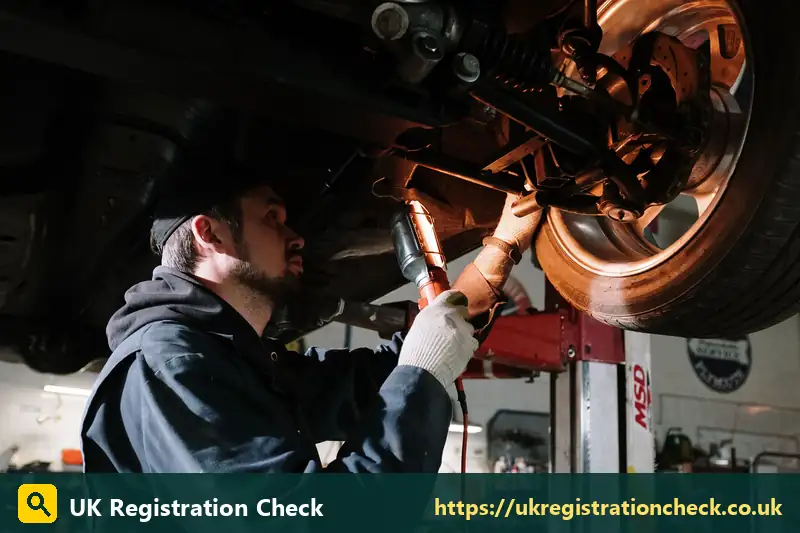
Stand back and look along each side for waves, then crouch to see panel gaps. Check the colour in daylight from different angles.
Signs of accident repair
- Uneven gaps between doors, wings and bonnet
- Paint colour or gloss that differs between panels
- Overspray on rubber seals and trim
- Filler that a magnet will not stick to
- Welds under the sills or in the boot
- Mismatched bolts around the wings
Rust And Corrosion
Corrosion matters most on structure: sills, floor pans, subframes, suspension mounting points and wheel arches. Surface rust on a bolt is minor, but bubbling under paint usually means deeper rot.
Where to press and look
Check the bottoms of doors, the tailgate, the boot floor and around fuel filler. MOT advisories about corrosion are a clue, and our what fails an MOT notes explain how defects are graded.
Glass, Lights And Mirrors
Check the windscreen for chips and cracks, particularly in the driver's view. All lights, indicators and brake lights should work, and lenses should be clear, not misted.
Why it matters for the MOT
Cracked glass and failed bulbs are common MOT problems. Fixes may be cheap, but they also show how the car has been maintained.
Tyres And Wheels
Tyres tell you about alignment and care. Check tread depth, even wear, sidewall cracks, bulges and the date code. Wheels should be undamaged and the correct size.
What uneven wear can mean
Wear on one edge suggests alignment or suspension issues, while patchy wear can mean worn shock absorbers. Mismatched cheap tyres may indicate corner-cutting.
Brakes, Steering And Suspension
Look at brake discs for deep lips and heavy rust, check the pedal feel, and bounce each corner to see if the car settles quickly. Steering should return to centre and show no play.
Test-drive signs
- Pulling to one side under braking
- Vibration or pulsing through the pedal
- Knocking over bumps
- Wandering steering at speed
- A handbrake that does not hold
- A clutch that bites very high or slips
Under The Bonnet
With the engine cold, check the oil level and colour, coolant, brake fluid and belts. Look for leaks, loose wiring and signs of recent cleaning, which can hide problems.
A clean engine bay is not always good
A freshly steam-cleaned engine can hide leaks. Look for wet patches on the ground and fresh drips. Read how to check the oil in a car.
Cold Start And Engine Warning Lights
A cold start shows rattles, smoke and rough running. Watch the dashboard lamps light at ignition and go out. See the notes on check engine light and engine checks for what each lamp means.
What to avoid
Do not buy a car where the seller has warmed the engine before you arrive. Ask to start it from cold.
Interior Wear Against Mileage
Wear on the driver's seat, pedals, steering wheel and gear knob should match the recorded mileage. Use a mileage check to compare MOT odometer readings with what you see.
Smells and damp
Musty smells, damp carpets and fogged lights suggest leaks or flood damage. Lift mats and check boot floor and spare wheel well for water or silt.
Electrics And Controls
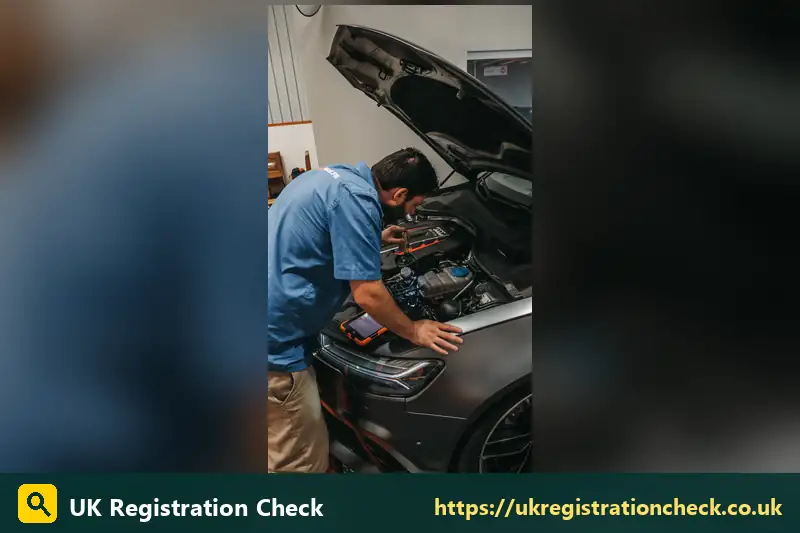
Test windows, mirrors, central locking, wipers, heater, air conditioning, infotainment, parking sensors and cameras. Faults in modern cars can be costly to diagnose.
Quick electrical routine
- Switch on the ignition and watch for lamps.
- Operate every window and mirror.
- Test heating and air conditioning on hot and cold.
- Pair a phone with the system.
- Check all keys and key fobs.
The Road Test
A proper test drive covers town, faster roads and a safe place to brake. Make sure you are insured and that the car is taxed and has an MOT.
What to listen and feel for
Engine noise, whining gearboxes, clutch bite, squeaky brakes, juddering and warning lamps all matter. Drive with the radio off.
Can MOT History Work As An Inspection Report?
In part, yes. The MOT history works like a free car inspection report, because it lists defects, advisories and odometer readings over time. Compare what the testers found with what you see.
Matching records to reality
If a past advisory said a tyre or brake component was close to the limit, check it has since been replaced. If it still looks worn, ask why.
When To Pay For A Professional Inspection
A professional car inspection report can reveal what a walk-round cannot: underbody corrosion, concealed repairs, geometry faults and hidden fault codes. It is worth considering for expensive cars, long-distance purchases and specialist models.
Who can carry out a pre-purchase inspection?
Motoring organisations, independent garages and specialist engineers all offer pre-purchase inspections. Check the provider's scope and ask what the report will include.
How To Read A Car Inspection Report
A car inspection report normally lists findings by system with a rating or note. Read the summary, then the detail, and ask the inspector to explain anything you do not understand.
Using findings to negotiate
- Ask for repairs before purchase
- Agree a lower price
- Ask for a warranty
- Or walk away
- Or ask for a specialist's second opinion
Inspection Versus History Check
An inspection cannot show outstanding finance, write-off category, stolen status or scrapped records, which sit with finance firms, insurers and the police. Read free versus paid vehicle checks for the difference.
A history check can flag a stolen vehicle marker or a scrapped vehicle record, and it supports vehicle provenance by showing how the car came to be on the road. The DVLA keeps the number of previous keepers on its record and the V5C, which is the logbook, but that count is not shown in the free lookup, so ask the seller and compare the logbook with what the history says.
Where the data comes from
Write-off data sits on the MIAFTR database, police data on the Police National Computer, and insurance on the Motor Insurance Database, queried through askMID. A commercial check pulls the first two together.
Check For Finance, Write-Off And Theft
Before paying, run a commercial check. See how to find out if there is finance on a car, how to check if a car has been written off and how to check if a vehicle is stolen.
Why do both an inspection and a history check?
A car can look and drive well yet still be subject to finance or a total-loss history. Doing both is the only safe route.
Inspecting Vans, Bikes And Classics
A van needs checks for load area wear, bulkhead damage and hard use. Motorbikes need a frame, forks, chain and tyre check, with VIN stamping inspected. Classics call for a specialist, because many are exempt from the MOT depending on age.
Further reading
See the motorbike HPI check for bike history and tax for classic cars for tax rules.
Inspecting Electric And Hybrid Cars
Electric cars need a battery health check, charging port inspection, cable review and software history. Hybrids also need engine checks. The tyres, brakes and body checks remain the same.
Questions to ask
Ask about the battery warranty and whether it transfers. Check the manufacturer's rules rather than relying on the seller, and look at the condition of the charging cable, port and any adapters that come with the car.
Imported And Irish Vehicles
An imported vehicle may lack UK history before registration, so inspect it carefully and request foreign documents. See the notes on an Irish reg check for plate and record differences.
Northern Ireland
Testing in Northern Ireland is run by the DVA, not the DVSA, so check the correct records for the car's location.
Common Mistakes And Myths
Buyers often inspect in poor light, skip the cold start, or rely on a quick wash to indicate care. Another mistake is trusting a seller's own inspection report without checking who produced it. Rushing is the root of most of these errors, so take your time, bring a second person and never let a seller hurry you into a decision on the day.
Myths about inspections
- Myth: a fresh MOT replaces an inspection
- Myth: a clean car is a sound car
- Myth: a seller's report is independent
- Myth: a professional inspection guarantees the car
- Myth: a recent service means no faults
Frequently Asked Questions
What is a vehicle inspection check?
A vehicle inspection check is a physical examination of a car before purchase, covering bodywork, tyres, brakes, engine bay, interior, electrics and a road test. It tells you the car's current condition. It should be combined with a history check for finance, write-off and stolen data and with MOT history and mileage records.
What should I check when inspecting a vehicle?
When inspecting a vehicle, check the identity (VIN and V5C), bodywork and paint, corrosion, tyres, brakes, suspension, fluid levels, leaks, dashboard lamps, electrics and interior wear. Then take a test drive. Do all of this in daylight with the engine cold, and compare what you find with the MOT history.
Do I need a car check before purchase if the MOT is recent?
Yes. An MOT is a snapshot of roadworthiness on the day, not a guarantee of condition, finance status or accident history. A car check before purchase combines record checks and an inspection to give a fuller picture, which is why a fresh MOT should never replace one.
What is in a car inspection report?
A car inspection report normally lists findings across the vehicle's systems, such as body, underside, engine, brakes, suspension, electrics and road test results, with notes on condition and faults. Content differs by provider, so ask what is covered before you book and what the report does and does not guarantee.
How much does a vehicle inspection cost?
Prices are set by the garage, motoring organisation or engineer, and they vary by vehicle type and level of detail, so ask for a quote before booking. Compare what each includes rather than just the price, and weigh it against the value of the car and the risk of a hidden fault.
Can I use MOT history to check car inspection results?
You can use it as a guide. The MOT history shows past failures, advisories and odometer readings, which act like a free record of inspection results over time. It does not cover the whole car, so combine it with your own check car inspection routine and, if needed, a professional report.
Can an inspection show if a car has finance or was stolen?
No. An inspection looks at condition, not records. Finance, write-off and stolen data are held by finance firms, insurers and the police, and appear on commercial history checks. Run one before paying, and use the inspection for what it does best, which is judging physical condition.
Should I inspect a car at night or in the rain?
No. Poor light and wet paint hide dents, ripples, uneven gaps and respray work. Arrange to view in daylight and dry weather, and if that is not possible, rearrange. A seller who insists on a dark evening viewing may be hiding something.
What tools help when inspecting a used car?
A torch, a magnet, rags for the dipstick, a tyre tread gauge and a phone for photos are enough for most buyers. A small diagnostic reader can help, but it is not a substitute for a professional inspection, and a clean scan does not prove there are no faults.
Can I inspect an electric car in the same way?
Mostly yes, for the body, tyres, brakes, suspension, interior and electrics, but you also need to check the battery, charging port and cable. Ask for battery health information and check any warranty terms directly with the manufacturer.
What if the seller will not allow an inspection?
Treat that as a warning sign and be prepared to walk away. A reasonable seller should let you view the car, run a registration check and arrange an independent inspection. If they refuse any of these, there may be something they do not want you to find.
Where is the official guidance on buying a used vehicle?
GOV.UK has guidance on buying a used vehicle, MOT rules, vehicle tax and your rights as a buyer. The DVLA handles registration records for Great Britain and the DVSA runs MOT history. For Northern Ireland, see the DVA.
Official Sources
Rules, fees and deadlines change. Confirm anything that affects your money or legal position with the official service.